
What Is the Best Way to See the Grand Canyon in One Day? (Perfect Itinerary)
What is the best way to see the Grand Canyon in one day? Focus on the South Rim, arrive early, walk the rim trail between the best viewpoints, catch sunset at the right spot, and resist the urge to rush. One well-planned day at the Canyon beats three frantic ones — the place rewards presence, not mileage.
The Grand Canyon genuinely lives up to the hype — it’s one of the few places that no photo prepares you for. But it’s also easy to do badly: arriving at noon, fighting crowds at two viewpoints, and leaving underwhelmed. Here’s the itinerary that does it right.
South Rim: The Only Choice for One Day
The South Rim is open year-round, has all the services, and holds the classic viewpoints. The North Rim is seasonal (mid-May to mid-October), remote, and a 4-hour drive from the South — not a day-trip option. West Rim (Skywalk) is a separate tribal-park experience, pricier and less grand. For one day: South Rim, no question.
Enter through the South Entrance (from Tusayan/Williams) — arrive by 8 a.m. to beat both crowds and the entrance line. The NPS Grand Canyon page has current alerts, shuttle info, and any closures — check it the night before.
The One-Day Itinerary
- 8:00 — Arrive, park, shuttle to the Village. Park once; use the free shuttle system all day. Driving between viewpoints wastes time and parking spots.
- 8:30 — Morning at Mather Point and Yavapai. Start at the main viewpoints near the Village while light is soft and crowds are thin. The geology museum at Yavapai gives context that makes everything else richer.
- 10:00 — Walk the Rim Trail west. The paved, mostly flat trail from the Village toward Hermits Rest. Walk as far as you like — every step has views. Hop the shuttle back from any stop.
- 12:30 — Lunch at the Village. Options from cafeteria to the historic El Tovar dining room (reservations help). Rest your legs; the afternoon is the big push.
- 2:00 — Hermit Road shuttle west. This road is shuttle-only (private cars banned most of the year) — ride to the end at Hermits Rest, hopping off at the viewpoints that call to you: Hopi Point, Mohave Point, the Abyss.
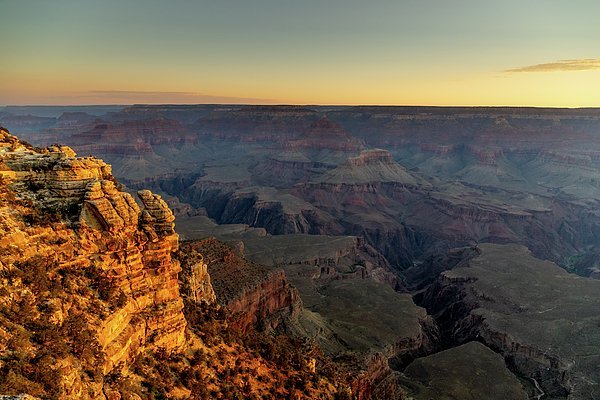
- 5:00 — Position for sunset. Hopi Point or Mohave Point for the classic sunset; arrive 45–60 minutes early for a good spot. Watch the canyon change color — this is the day’s payoff.
- After sunset — dinner and stargazing. The Canyon is a dark-sky park; on clear nights the stars are outrageous. Then drive out or to your lodging.
What Is the Best Way to See the Grand Canyon in One Day? Key Decisions.
- To hike below the rim or not? With one day: go a short way down Bright Angel Trail (30–60 minutes down, then turn around — remember it takes twice as long up) for the perspective shift. Do NOT attempt the river and back in a day — people die trying. The park rangers aren’t exaggerating.
- Sunrise option. If you’re staying nearby, sunrise at Mather Point or Yaki Point is sublime and nearly empty. Worth the alarm if you can.
- Desert View (east). If time allows, the 25-mile Desert View Drive east has the Watchtower and different perspectives — but it adds 1.5+ hours. Prioritize the Village-to-Hermits corridor first.
Logistics and Safety
- Water, water, water. Even rim walking in sun dehydrates fast. Carry more than you think; refill at stations.
- Sun protection. 7,000 feet elevation + reflective rock = intense UV. Hat, sunscreen, sunglasses.
- Stay back from edges. No railings at many viewpoints. The photos aren’t worth it — falls are a real and regular occurrence.
- Summer: start early, rest midday. Inner canyon temps hit 110°F+; the rim is 20 degrees cooler but still hot. Lightning storms build afternoons in monsoon season (July–September).
- Winter: magical and empty. Snow on the rim, a fraction of the crowds, some facilities reduced. Dress in layers; trails can ice.
The Canyon pairs naturally with a Southwest road trip — see planning a budget US road trip for the I-40 corridor that passes right by. And for the national-parks context, the best national parks for kids ranks where the Canyon fits for families.
Grand Canyon With Kids (One-Day Family Version)
- Junior Ranger first. Pick up the booklet at the visitor center — it turns the day into a mission and kids earn a badge.
- Rim Trail, not below. The flat paved rim trail is the family route. Below-the-rim hiking with kids in one day is inadvisable — the climb out is brutal.
- Geology as story. “We’re walking through 2 billion years” — the canyon’s layers are a time machine kids can see. The Yavapai museum makes it click.
- Condors. Tell kids to watch for California condors (9-foot wingspan) — spotting one is the day’s highlight.
- Sunset + early bed. The sunset finale works for families too — then an early night. Tired kids + dark park roads = leave right after.
Photography at the Canyon (Beyond the Snapshot)
- Golden hours only. Midday light flattens the canyon. Sunrise and sunset create the shadows that reveal its depth — plan your viewpoints around them.
- Include foreground. A juniper branch, a rock formation, a person — foreground gives the vastness scale. Without it, photos flatten.
- Panoramas. Phone pano mode was made for the Canyon. Slow, steady, level.
- Less is more. Put the camera down for stretches. The Canyon rewards presence — and your memory of watching the light change beats any photo.
The Bottom Line
The best one-day Grand Canyon visit: South Rim, arrive by 8 a.m., shuttle-based, morning at Mather/Yavapai, Rim Trail walk midday, Hermit Road shuttle afternoon, sunset at Hopi or Mohave Point, stargazing after. Optionally dip briefly below the rim on Bright Angel (never attempt the river in a day). One unhurried day, done right, is enough to understand why it’s a wonder of the world.


