
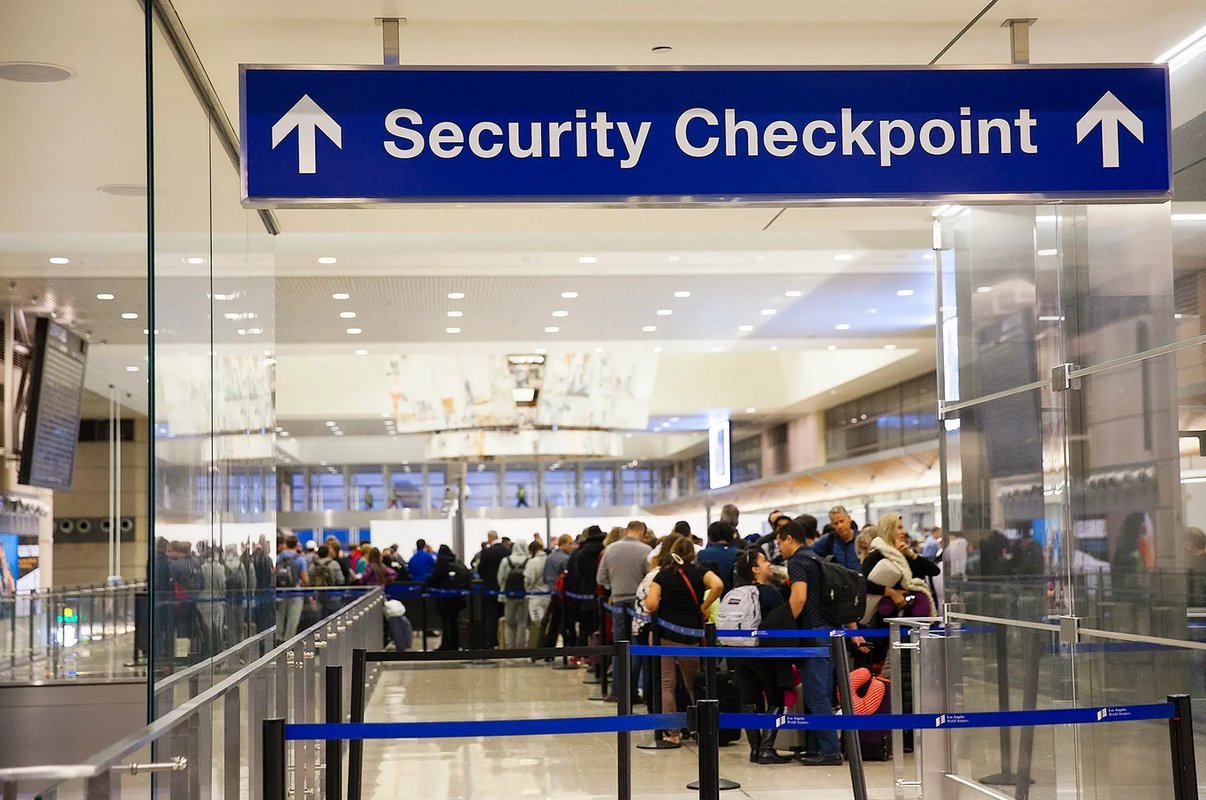
How Do I Get Through Airport Security Faster? (TSA Tips That Work)
Wondering how do I get through airport security faster? The security line is the most variable part of air travel — five minutes or fifty, depending on choices you make before you arrive. Frequent travelers don’t have secret powers; they have systems that eliminate every avoidable delay.
I fly 30+ times a year, and my average curb-to-gate time is under 20 minutes even at busy airports. Here’s everything that makes the difference, from the nuclear option (PreCheck) to the small habits that add up.
The Big Three: PreCheck, Clear, and Global Entry
- TSA PreCheck ($78/5 years). The single best travel investment for US flyers: dedicated shorter lines, keep shoes/belt/jacket on, laptop stays in bag, liquids stay packed. Pays for itself in two trips. Many credit cards reimburse the fee — check yours before paying.
- Global Entry ($120/5 years). Includes PreCheck plus expedited customs on international returns. If you fly internationally even once a year, this beats PreCheck alone.
- CLEAR ($199/year). Biometric identity verification that skips to the front of the ID check. Worth it only at your home airport if the lines are brutal — it’s a complement to PreCheck, not a replacement.
No trusted traveler number? The TSA’s tsa.gov site has current wait-time info and program details. Apply for PreCheck at least 2–3 months before you need it — approval usually takes days to weeks, but don’t cut it close.
Pack Like You Know the Drill
- Laptop and liquids accessible. Top of the bag, separate pouch — even PreCheck travelers hit standard lines sometimes. Never bury them.
- The 3-1-1 rule, actually followed. 3.4oz containers, 1 quart bag, 1 per passenger. The most common delay is someone’s oversized toiletry discovered mid-scan.
- Wear security-friendly clothes. Slip-on shoes, no belt, minimal jewelry, empty pockets before you reach the bins. Every item you remove is 15 seconds.
- Know the weird rules. Powder over 12oz gets flagged, large electronics come out, food is fine but dense items (looking at you, cheese wheels) trigger bag checks. When in doubt, check the TSA’s “what can I bring” tool.
How Do I Get Through Airport Security Faster? Timing and Tactics.
- Know your airport’s peaks. Monday 6–9 a.m. and Thursday/Friday afternoons are the worst nationally. The TSA app and site show historical wait data by airport and hour.
- Arrive with buffer, not panic. Domestic: 2 hours; international: 3. The buffer isn’t wasted — it’s what lets you walk calmly instead of sprinting.
- Pick your lane. The leftmost lanes are often shorter (most people drift right). Avoid lanes with families juggling strollers and lanes behind large tour groups if you can choose.
- Have documents ready. ID and boarding pass in hand before you reach the podium. The fumble-at-the-front delay cascades to everyone behind.
- Bin strategy. Shoes and jacket in first bin, bag second, laptop/electronics in their own — organized bins move through faster and get flagged less.
For Families and Special Cases
- Kids under 12 can go through PreCheck lanes with an enrolled parent — no separate enrollment needed.
- Medical items and baby supplies (formula, breast milk, medications) are exempt from liquid limits but must be declared. Allow extra time.
- TSA Cares. Travelers with disabilities or medical conditions can call 72 hours ahead for assistance through the checkpoint.
Pair this with smart packing — the best carry-on luggage and traveling with just a personal item both speed up the security process. And for the flight itself, making long flights comfortable starts with arriving unstressed.
TSA PreCheck Application: Step by Step
- Apply online (10 min). Fill out the application on the TSA’s website — basic info, no trick questions.
- Schedule the in-person appointment. Enrollment centers are everywhere (airports, office parks). Booking ahead beats walking in.
- Bring the documents. Valid photo ID + proof of citizenship (passport covers both). Check the current list before you go.
- The appointment (10 min). Fingerprints, photo, quick questions. Painless.
- Wait for approval. Most approvals land in 3–5 days; officially allow up to 60. Your Known Traveler Number arrives by mail and email.
- Add it to everything. Enter the KTN in every airline profile and every existing reservation. It doesn’t apply retroactively to bookings made without it — update them.
Cost: $78 for five years — roughly the price of two airport sandwiches per year. The TSA’s official site has the current application links, enrollment center locator, and answers to every edge case (name changes, lost KTNs, kids’ eligibility).
Global Entry vs. PreCheck: Which One?
- Get PreCheck if: you fly domestically only. $78, covers the security line, done.
- Get Global Entry if: you fly internationally even once a year. $120 includes PreCheck + expedited customs/immigration on return.
- The interview: Global Entry requires an in-person interview (schedule ahead — wait times vary wildly by location; enrollment-on-arrival at major airports skips the wait).
- Credit card reimbursement: many travel cards cover one or the other every 4–5 years. Check your cards before paying — you might already have the benefit.
- Kids: under 12 go through PreCheck lanes with enrolled parents free. Global Entry needs separate enrollment per child (free for kids under 18 with a parent’s application, currently).
CLEAR: Is It Worth $199 a Year?
CLEAR’s biometric kiosks skip the ID-check line — but not the screening line. The math: worth it if your home airport has brutal ID lines AND you fly 15+ times a year AND you don’t have PreCheck (with PreCheck, the marginal benefit shrinks dramatically). Not worth it for occasional travelers — the per-trip cost is absurd. The free trial (often 2–3 months) lets you test it at your airport before committing. Most travelers are better served by PreCheck alone; CLEAR is the premium add-on for the truly frequent flyer at congested airports.
The Bottom Line
Getting through airport security faster is a system: get TSA PreCheck (or Global Entry), pack with laptop and liquids accessible, dress for the checkpoint, know your airport’s peak hours, pick shorter lanes, and have documents ready. The 20-minute curb-to-gate trip isn’t luck — it’s preparation, and most of it you set up once.


