
How Can I Make My Bedroom More Relaxing for Sleep? (The Sleep Sanctuary Guide)
Wondering how can I make my bedroom more relaxing for sleep? Your bedroom might be working against you right now — bright lights, a glowing TV, work stuff on the nightstand, a mattress past its prime. Sleep is deeply environmental; your brain takes cues from the room about whether it’s safe to power down.
I overhauled my bedroom two years ago after months of mediocre sleep, and the difference was almost immediate. Not from one magic purchase — from fixing the five environmental factors below.
Here’s how to build a room that practically tucks you in.
Dark: Your Brain’s Strongest Sleep Signal
Light suppresses melatonin — even small amounts. The fixes, in order of impact:
- Blackout curtains or a sleep mask. Curtains are the full solution; a $15 contoured sleep mask is the 90% solution for almost nothing.
- Kill the LEDs. Charger lights, power strips, the TV standby glow — cover them with electrical tape or unplug. A truly dark room feels different.
- Dim the hallway. If light leaks under the door, a draft stopper or towel handles it.
- Morning light matters too. Open the curtains first thing — the contrast between dark nights and bright mornings anchors your body clock.
Cool and Quiet (or Consistently Noisy)
Your body sleeps best cool — around 65°F (18°C). If you can’t control the thermostat precisely, breathable bedding and a fan do most of the work. Hot sleepers: moisture-wicking sheets and a cool pillow are worth every penny.
For sound, you have two good options: genuinely quiet (earplugs, sealing gaps) or consistently masked (white noise machine, fan, app). What’s destructive is intermittent noise — traffic bursts, the neighbor’s TV. Steady sound your brain can tune out beats unpredictable quiet. The Sleep Foundation’s bedroom environment guidance covers the research if you want the details.
How Can I Make My Bedroom More Relaxing for Sleep? Declutter It.
A bedroom full of visual noise — laundry piles, work papers, the treadmill-as-clothes-rack — keeps your brain in daytime mode. The bedroom should contain sleep things and calm things, nothing else:
- Move work out. Laptop, paperwork, bills — evict them. If space forces a desk in the bedroom, at least close it and cover it at night.
- Clear surfaces. Nightstand: lamp, book, water, alarm. That’s the list.
- Contain the laundry. A lidded hamper beats a chair-drobe every time.
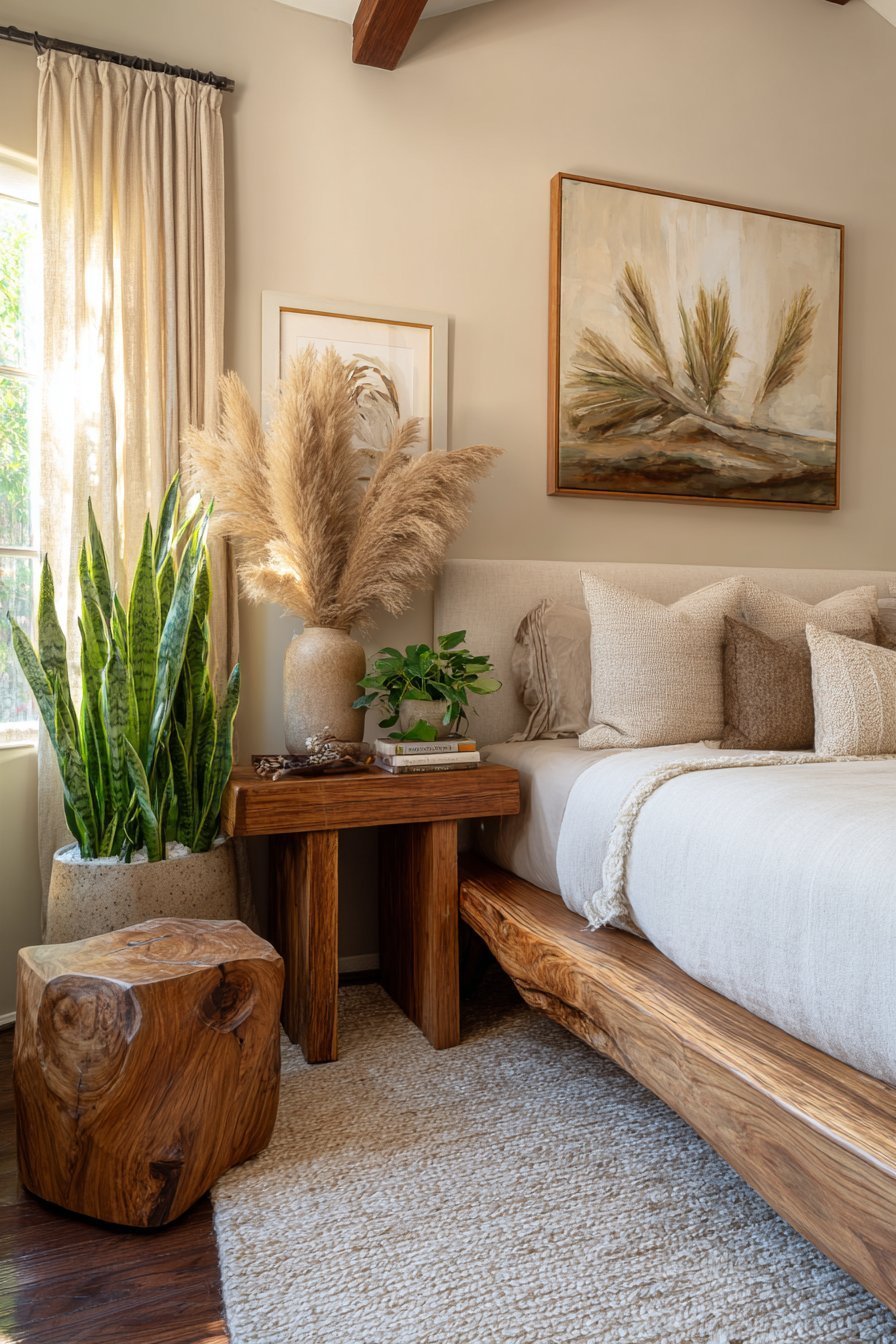
- Calm colors. You don’t need to repaint, but busy patterns and bright colors stimulate. Neutrals, soft blues, and greens read as restful.
The Bed Itself: Worth Investing In
You spend a third of your life here. Priorities in order:
- Mattress past its prime? 7–10 years is the typical lifespan. Sagging, waking sore, or sleeping better in hotels are the telltale signs.
- Pillows matter more than people think. Replace yearly-ish; match loft to sleep position (side sleepers need thicker).
- Bedding you love touching. You don’t need luxury thread counts — you need fabric that feels good to you. Wash it weekly; clean sheets genuinely improve sleep quality perception.
Scent and Ritual
Scent is a powerful sleep cue: lavender is the most studied, but any calm scent you associate with rest works — the association matters more than the specific oil. A diffuser 30 minutes before bed, or linen spray on the pillow.
Pair the environment with behavior: a proper bedtime routine in a properly set-up room is the complete system. And keep the phone out — reducing evening screen time protects everything you’ve built here.
Tech in the Bedroom: The Honest Rules
- TV in the bedroom? Sleep experts say no — but if it’s non-negotiable, set a sleep timer and keep the volume low. The compromise position is real life.
- Phone charging station outside. The alarm-clock excuse dies with a $12 clock. Your bedroom is the last place the infinite scroll should reach.
- E-reader vs. tablet. E-ink readers (no backlight glare) are the bedroom-friendly choice; tablets are just phones with bigger temptation.
- Smart home, sleep-friendly. Automated dimming lights and thermostat schedules remove the friction from the wind-down — the environment prepares itself.
Bedroom Refresh on a Budget ($100)
- New pillowcases + washed bedding ($25). Clean, fresh bedding changes how the whole room feels.
- Blackout curtains or sleep mask ($20–$40). The highest-ROI sleep purchase that exists.
- Declutter blitz ($0). One hour: surfaces cleared, laundry contained, work stuff evicted. Free and transformative.
- A plant ($15). Life in the room, better air, calmer vibe. Snake plants and pothos survive anything.
- Warm bulb swap ($10). Replace cool white bedroom bulbs with warm (2700K). Instant evening calm.
- Scent ($10). Lavender linen spray or a small diffuser. The cue your brain learns to associate with sleep.
The Bedroom Audit Checklist
Walk through your bedroom with fresh eyes and this checklist: light (any LEDs glowing? curtains blocking enough? hallway light leaking?), sound (what do you hear at midnight? traffic, neighbors, the fridge hum?), temperature (too warm? the thermostat, the bedding weight, the pajamas), air (stuffy? when did you last open the window?), surfaces (how many non-sleep items are visible? each one is a tiny alarm clock for your brain), the bed (mattress age? pillow condition? sheets clean?), and scent (stale? the laundry, the carpet, the curtains?).
Score each 1–5. Anything below 3 gets fixed this week — most fixes are free (unplug the LEDs, clear the surfaces, open the window) or cheap (the sleep mask, the draft stopper). The audit takes 10 minutes and usually reveals that your sleep problems have been environmental all along. The bedroom you sleep in is the most important room in your home — audit it like it matters, because it does.
When to Call It: Mattress Replacement Signs
Beyond the 7–10 year guideline: you wake up sore, you sleep better in hotels, there’s a visible dip where you lie, or you hear springs. A worn mattress undermines every other sleep improvement you make — it’s the foundation the whole sanctuary stands on. Budget for it like the health purchase it is, not the furniture purchase it resembles.
The Bottom Line
A bedroom that’s relaxing for sleep is dark (blackout or mask, no LEDs), cool (around 65°F), quiet or steadily masked, decluttered of daytime life, and centered on a bed you actually maintain. Fix these five factors and your room starts working for your sleep instead of against it — no expensive overhaul required.


