
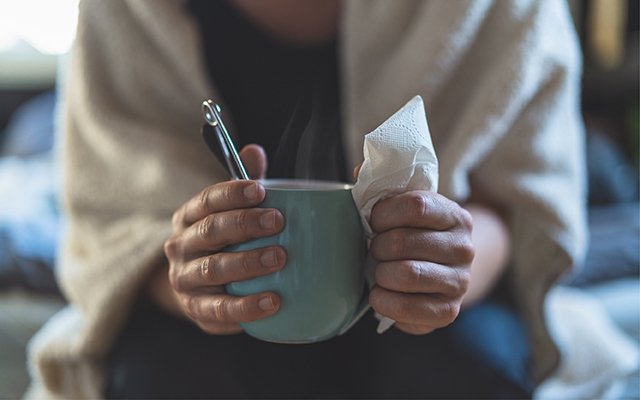
There’s no cure for the common cold — if there were, someone would be very rich. But “no cure” doesn’t mean “nothing helps.” The difference between a miserable week and a manageable few days often comes down to treating symptoms smartly and avoiding the remedies that do nothing. What is the best way to treat a common cold at home? Let’s separate what works from what’s wishful thinking.
First: Is It a Cold, Flu, or Allergies?
Treatment starts with correct identification:
- Common cold: gradual onset, runny/stuffy nose, sneezing, mild sore throat, maybe a low-grade fever. Miserable but manageable.
- Flu: sudden onset, high fever, body aches, extreme fatigue. Hits like a truck. Antivirals help if started within 48 hours — call your doctor.
- Allergies: itchy eyes/nose, sneezing fits, no fever, symptoms persist for weeks. Antihistamines, not cold remedies.
- COVID: test — symptoms overlap heavily with colds now. Knowing matters for protecting others.
If it’s truly a cold, home treatment is appropriate. Antibiotics, by the way, do nothing for colds — they’re for bacterial infections, and demanding them for a virus contributes to antibiotic resistance while doing zero for your symptoms.
What Actually Helps
Rest — real rest. Not “working from the couch while answering emails.” Your immune system does its best work when you’re actually resting. People who push through colds tend to stay sick longer. Give it 2-3 days of genuine downtime if you can.
Fluids, generously. Water, broth, herbal tea, diluted juice — all good. Hydration keeps mucus thin and moving, which is half the battle. Hot liquids have a bonus: the steam loosens congestion and the warmth soothes sore throats. Chicken soup isn’t just comfort — studies show it has mild anti-inflammatory effects on respiratory cells. Grandma was onto something.
Honey for coughs. A spoonful of honey (or honey in warm tea) is as effective as some over-the-counter cough suppressants for nighttime coughing, per multiple studies. Note: never give honey to children under 1 year due to botulism risk.
Saline nasal spray or rinse. Clears congestion without the rebound effect of decongestant sprays. A neti pot with distilled water (never tap water) or a simple saline spray several times daily makes a real difference.
Targeted OTC meds. Use them for specific symptoms, not “cold formulas” with six ingredients you don’t need: acetaminophen or ibuprofen for aches/fever, dextromethorphan for dry cough, guaifenesin for chest congestion, antihistamines for runny nose (they work better for allergies but help some cold drips). Read labels — many combination products duplicate ingredients dangerously.
Humidified air. Dry air thickens mucus and irritates airways. A humidifier or even a steamy shower loosens everything up.
Zinc lozenges (maybe). The evidence is mixed but leans slightly positive if started within 24 hours of symptoms. Worth trying; not worth strong expectations.
What’s a Waste of Money
- Vitamin C megadoses once sick. Won’t shorten your current cold in any meaningful way for the general population. Regular intake matters more than emergency dosing — see strengthening your immune system in winter for the preventive approach.
- “Immune booster” blends. Expensive, underdosed, and timed too late to matter.
- Antibiotics for a cold. Worth repeating: they don’t work on viruses, period.
- Decongestant nasal sprays beyond 3 days. Oxymetazoline works great short-term but causes rebound congestion worse than the original if used longer. The 3-day limit is real.
When to Call a Doctor
Most colds resolve in 7-10 days. Seek care for: fever above 101.3°F lasting more than 3 days, symptoms worsening after 10 days, severe sinus pain, chest pain or difficulty breathing, dehydration, or if you have asthma, COPD, or immune compromise. Also: if “just a cold” keeps recurring all winter, the issue might be prevention — our guide to foods that boost the immune system and basic hand hygiene do more than any medicine cabinet.
The CDC’s common cold page has straightforward guidance on symptom management and when to seek care.
What Is the Best Way to Treat a Common Cold at Home? Your Questions Answered
How long is a cold contagious?
You’re most contagious during the first 2-3 days of symptoms — which is unfortunate, because that’s when many people are still “pushing through” at work. You can actually shed virus a day before symptoms start, and remain mildly contagious for up to two weeks, though infectivity drops sharply after the first few days. The practical rule: stay home for the first 2-3 days of active symptoms if you can, wash hands obsessively, and don’t share drinks, utensils, or towels. Your coworkers will thank you — “soldiering on” while contagious just distributes your cold to the office.
Why do colds always seem worse at night?
Lying flat lets mucus pool in your sinuses instead of draining, which is why congestion peaks when you’re horizontal. Your cortisol (a natural anti-inflammatory) also dips at night, so inflammation and symptoms feel stronger. Plus the distraction factor: during the day, activity competes with symptom awareness; in the quiet dark, every sniffle gets your full attention. Propping yourself up with an extra pillow, running a humidifier, and taking an appropriate decongestant or antihistamine before bed (if suitable for you) all help. Nighttime misery is physiological, not imaginary.
Can you catch the same cold twice?
The exact same virus, essentially no — you develop immunity to that specific strain. But there are 200+ viruses that cause “colds” (rhinoviruses, coronaviruses, adenoviruses, and more), so you can absolutely catch a different cold right after recovering from one. That’s why it feels like one endless illness some winters — it’s often 2-3 sequential infections. Each one builds your immune library, which is genuinely useful: adults catch fewer colds than children partly because they’ve met more of the viruses. Small comfort mid-sniffle, but real.
Does starving a cold or feeding it actually matter?
The old saying (“feed a cold, starve a fever”) has a grain of truth wrapped in oversimplification. Your immune system needs energy and nutrients to fight infection — undereating during illness deprives it of fuel. But force-feeding when you have no appetite isn’t helpful either; loss of appetite during infection is a normal, possibly adaptive response. The sensible middle: eat normally if hungry, prioritize fluids and easy-to-digest foods if appetite is low, and don’t stress about perfect nutrition for a week. Chicken soup’s reputation exists for a reason — fluids, electrolytes, easy calories, and comfort in a bowl.
The Bottom Line
Treat a cold at home with rest, fluids, honey, saline, targeted OTC meds, and humid air. Skip the megadose vitamins, the antibiotic requests, and the 6-ingredient “cold formulas.” Most colds run 7-10 days regardless — good home care doesn’t cure it faster so much as makes those days dramatically more bearable. And wash your hands; the next cold is always looking for a host.


