
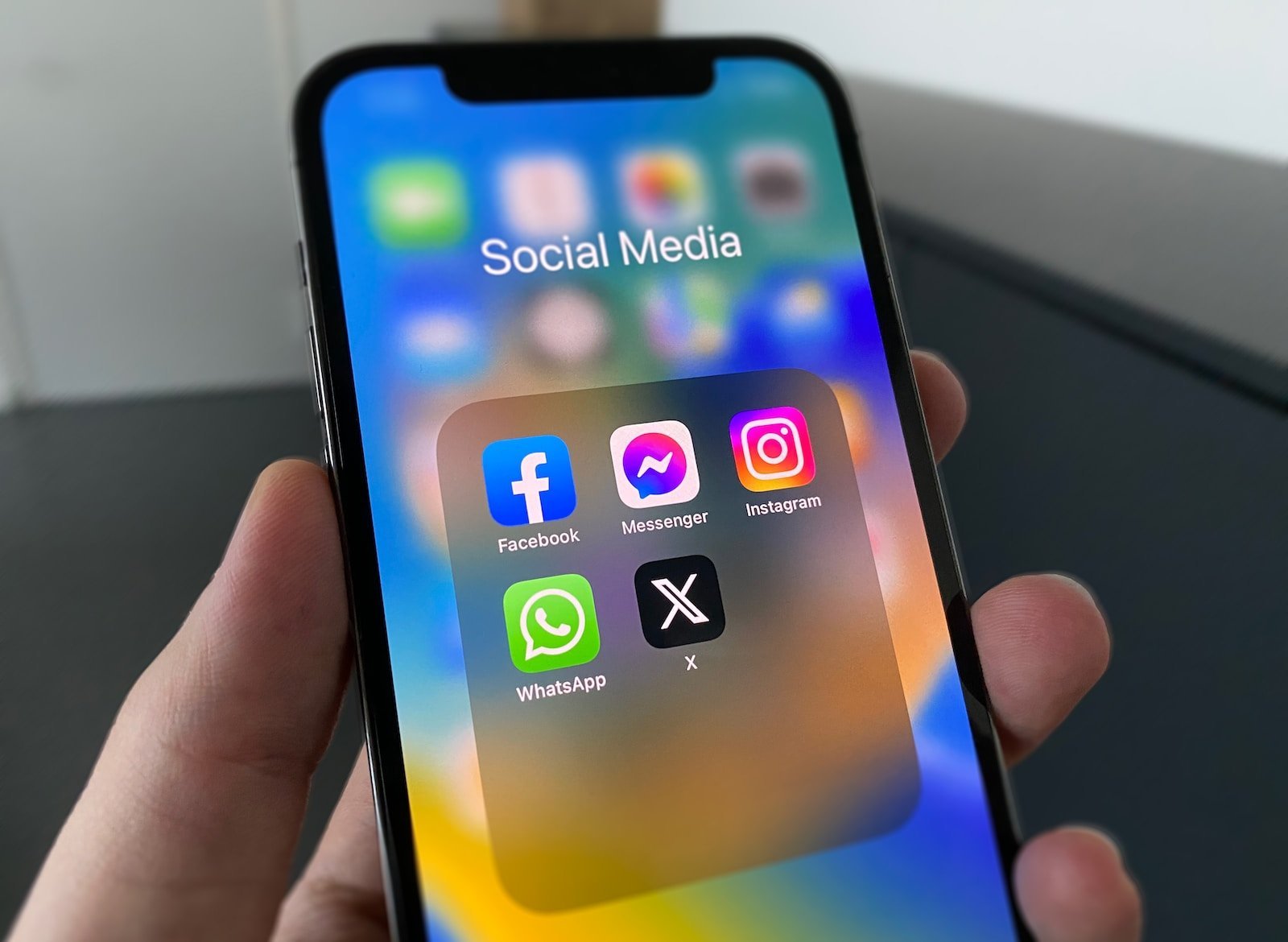
Everyone says you 'need' to be on social media. But is social media marketing worth it for a local business — or is it just a time-sucking obligation?
So, is social media marketing worth it for a local business? I went down the rabbit hole on this one so you don't have to. Here's everything worth knowing, minus the fluff.
The Short Answer
It's worth it if you're strategic, a waste if you're not. Worth it when: you pick ONE platform where your customers are, post consistently (3–5x/week), and use it for community-building and social proof — before-and-afters, customer stories, behind-the-scenes. Not worth it when: you're posting randomly across five platforms, spending hours for a handful of likes from non-customers, or neglecting Google reviews and your website to feed the algorithm. For most local businesses, an active Google Business Profile plus one social channel beats a neglected presence everywhere.
That's the short version. Now let's get into the parts that actually affect your wallet and your day.
You might also want to check out Can AI help me write better social media captions.
For the official word, check the SBA's social media guide, which lays out the details straight from the source.
Is Social Media Marketing Worth It for a Local Business? When Yes, When No
- Worth knowing: Worth it: one platform, consistent posting, local community engagement — it builds familiarity that converts.
- Not worth it: scattered posting across platforms with no strategy and no local audience.
- Real talk: Visual businesses (food, salons, fitness, real estate) get the highest ROI from Instagram/TikTok.
- Service businesses (plumbers, lawyers, contractors) often get more from Google reviews + Nextdoor than Instagram.
- $200/month in targeted local ads typically outperforms $200/month of your time creating content.
A Concrete Example
A local pizza shop posts one 15-second video daily: dough being tossed, pizzas coming out of the oven. Nothing fancy. Their TikTok has 40,000 local followers and Friday nights sell out. Total cost: 15 minutes a day. Meanwhile, a competitor posts stock photos monthly to 200 followers and wonders why social 'doesn't work.'
The Minimum Effective Approach
Customers don’t buy products — they buy outcomes, feelings, and solutions to problems that bug them at 11pm. The businesses that get this talk about the customer’s life, not their own features. “Saves you three hours a week” beats “advanced scheduling algorithm” every single time. When you’re writing anything — your website, your pitch, your product descriptions — read it back and ask: does this tell the customer what’s in it for them? If not, rewrite it.
Your first customers are gold, by the way. Not just for revenue — for learning. The first ten people who pay you will teach you more about your business than any course. Ask them why they bought, what almost stopped them, and what they’d change. Then actually listen. Businesses that stay close to their customers rarely go far wrong; businesses that guess from behind a desk usually do.
Paperwork isn’t fun, but ignoring it is expensive. The boring admin — licenses, taxes, contracts, insurance — is what keeps a good business from becoming a cautionary tale. You don’t need to become an expert; you need systems. A simple spreadsheet or basic accounting software, a folder (digital is fine) for every important document, and a calendar reminder for every deadline. An hour of admin a week prevents the kind of surprises that end businesses.
And get things in writing. Every time. The handshake deal that “we’ll figure out later” is where disputes are born — with clients, partners, suppliers, everyone. A simple written agreement doesn’t mean you distrust someone; it means you both remember the same thing six months later. Memories differ; documents don’t. This one habit will save you more grief than any other piece of business advice I could give.
You might also want to check out Is it worth paying for Google ads as a small local business.
Tips That Actually Help
- Veterans of this stuff all say the same thing: choose the platform by customer demographics, not by what's trendy.
- This one's easy to overlook: batch-create content weekly — one hour of filming becomes a week of posts.
- It's not glamorous, but it works: engage locally: comment on community posts, share local events, tag locations.
- Do this before anything else: measure foot traffic and inquiries, not likes — vanity metrics don't pay rent.
Where People Usually Go Wrong
- Here's one I see constantly: treating social media as a chore instead of a community tool. Don't let it happen to you.
- This trips up beginners all the time: posting only promotions; nobody follows an account that's all ads.
- Here's one I see constantly: ignoring messages and comments — unanswered inquiries go to competitors. Don't let it happen to you.
Things People Also Ask
Do I need a business plan?
You need a plan, but not the 40-page kind. One page is plenty to start: who you serve, what you offer, how you'll reach them, and your numbers. The point isn't the document — it's forcing yourself to think through the basics before money's on the line. Update it as reality teaches you things.
What's the number one beginner mistake?
Spending money before making money. Fancy logos, premium tools, and perfect branding feel like progress, but they're procrastination in disguise. Get a paying customer first with the simplest possible version. Everything else can come later, funded by actual revenue.
How much money do I really need to start?
Less than you think, more than you hope. Most service-based businesses can start with a few hundred dollars; product businesses need more for inventory. The real question isn't the startup cost — it's how many months you can survive without profit. Have at least three to six months of expenses covered before you count on income.
Here’s My Honest Take
One platform, consistent local content, real engagement — that's worth it. Five neglected accounts posting sporadically is just theater. Be strategic or don't bother.
You don't need to become an expert here — you just need enough to make a smart call and move on.
If that piqued your interest, you’ll like How can small businesses use AI for marketing too.
One more useful resource: Google's small business marketing resources — worth bookmarking before you make any final decisions.


