
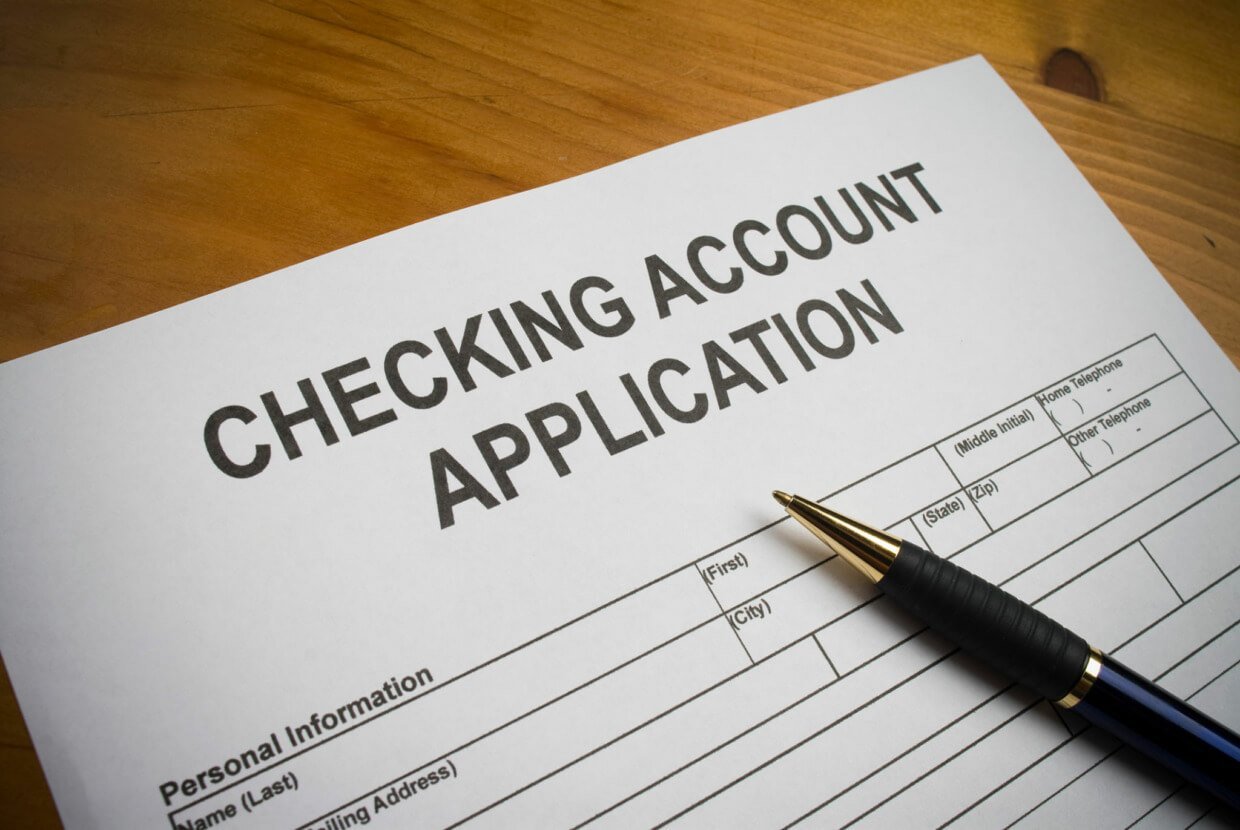
Mixing business and personal money is the fastest way to create a tax and legal mess. So how do I open a business bank account — and what do I actually need to bring?
So, how do I open a business bank account? I went down the rabbit hole on this one so you don't have to. Here's everything worth knowing, minus the fluff.
Here’s the Deal
Bring: your EIN (free from IRS.gov, takes 10 minutes), business formation documents (LLC articles or DBA registration), personal ID, and an initial deposit ($25–$100 usually). Most banks open accounts same-day. Best options: local credit unions and community banks for low fees and human service; Chase and Bank of America for branch networks; Novo, Bluevine, and Mercury for fee-free online business banking. Watch for: monthly maintenance fees ($10–$15, often waived with minimum balances), transaction limits, and cash deposit fees.
Simple enough on the surface. But once you look closer, there are a few things that can trip you up if you're not careful.
If that piqued your interest, you’ll like What is the best way to market a small business on a tight budget too.
For the official word, check the SBA on business banking, which lays out the details straight from the source.
How Do I Open a Business Bank Account? Documents and Steps
- Real talk: EIN first: free at IRS.gov in 10 minutes — banks require it for LLCs and corporations.
- The part nobody mentions: Formation docs: LLC articles, DBA certificate, or partnership agreement — whatever proves the business exists.
- Real talk: Sole proprietors can often open with just EIN/SSN and a DBA — simplest path.
- Here's the thing — Online banks (Novo, Bluevine, Mercury): $0 monthly fees, great apps — ideal for digital businesses.
- Real talk: Traditional banks: better for cash deposits and in-person needs — compare fee waivers carefully.
Here’s How It Plays Out
I opened a Novo account online in 15 minutes: EIN, driver's license, done — zero monthly fees. My friend pays $15/month at a big bank for an account he visits twice a year. Match the bank to how you actually operate.
Using It Right After Opening
Customers don’t buy products — they buy outcomes, feelings, and solutions to problems that bug them at 11pm. The businesses that get this talk about the customer’s life, not their own features. “Saves you three hours a week” beats “advanced scheduling algorithm” every single time. When you’re writing anything — your website, your pitch, your product descriptions — read it back and ask: does this tell the customer what’s in it for them? If not, rewrite it.
Your first customers are gold, by the way. Not just for revenue — for learning. The first ten people who pay you will teach you more about your business than any course. Ask them why they bought, what almost stopped them, and what they’d change. Then actually listen. Businesses that stay close to their customers rarely go far wrong; businesses that guess from behind a desk usually do.
Let’s talk money, because this is where small businesses quietly die. Cash flow kills more businesses than bad ideas ever will — you can be profitable on paper and still go under because the money arrives in March but the bills are due in January. Separate your business money from your personal money from day one, even if it feels premature. Future you, staring at a tax return, will be enormously grateful.
And price like you mean it. The most common beginner mistake is undercharging — partly from insecurity, partly from not knowing the true costs. Add up everything: materials, your time, fees, taxes, the hours you spend on admin that nobody pays you for. Then add a margin. If your price makes you slightly uncomfortable to say out loud, you’re probably in the right neighborhood. You can always discount strategically; it’s much harder to raise prices later.
For more on this, see our guide to How can I get my first customers for a new business.
Smart Moves to Make
- This one's easy to overlook: run ALL business income and expenses through it — no exceptions, from day one.
- Do this before anything else: open a separate business savings for taxes; auto-transfer 25–30% of income.
- It's not glamorous, but it works: get a business debit card and use it exclusively for business purchases.
- Don't skip this: review statements monthly; clean banking records make bookkeeping trivial.
Don’t Learn These the Hard Way
- The classic blunder: paying monthly fees for features you never use. I've seen this one cost people time and money more times than I can count.
- Here's one I see constantly: using the business account for personal spending — it pierces LLC protection. Don't let it happen to you.
- The classic blunder: choosing a bank with no nearby branches when you deposit cash regularly. I've seen this one cost people time and money more times than I can count.
Things People Also Ask
What's the number one beginner mistake?
Spending money before making money. Fancy logos, premium tools, and perfect branding feel like progress, but they're procrastination in disguise. Get a paying customer first with the simplest possible version. Everything else can come later, funded by actual revenue.
Do I need a business plan?
You need a plan, but not the 40-page kind. One page is plenty to start: who you serve, what you offer, how you'll reach them, and your numbers. The point isn't the document — it's forcing yourself to think through the basics before money's on the line. Update it as reality teaches you things.
How much money do I really need to start?
Less than you think, more than you hope. Most service-based businesses can start with a few hundred dollars; product businesses need more for inventory. The real question isn't the startup cost — it's how many months you can survive without profit. Have at least three to six months of expenses covered before you count on income.
What I’d Do
EIN, formation docs, ID, done — usually same day. Then run everything through it religiously. This one account is the foundation of clean business finances.
At the end of the day, this is one of those things where a little homework pays off fast.
For more on this, see our guide to Should I quit my job before starting my business.
One more useful resource: the CFPB on business accounts — worth bookmarking before you make any final decisions.


