
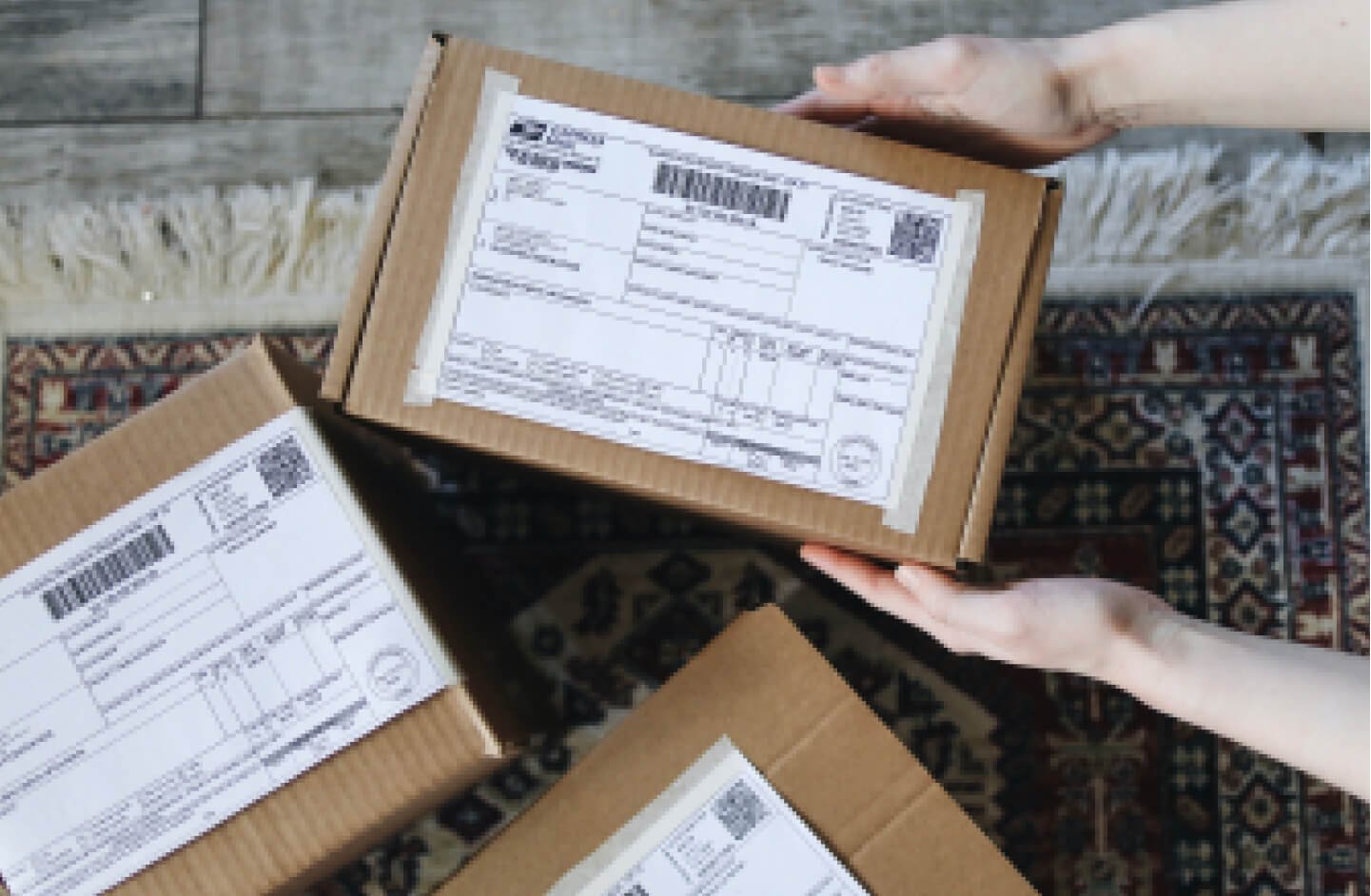
The gurus moved on to the next thing, but the question remains: is dropshipping still a good business model for beginners in 2026, or is it dead?
So, is dropshipping still a good business model for beginners? I spent a good chunk of time researching this, comparing options, and reading what real users say. Here's the honest breakdown.
The Short Answer
It's not dead, but it's much harder than the hype suggests. Realistic margins are 10–20% after product costs, shipping, and ad spend — meaning you need serious volume or high-ticket products to make real money. The core problems persist: 2–4 week shipping from overseas suppliers, zero quality control, brutal competition selling identical products, and ad costs that eat beginners alive. It works for: people treating it as paid marketing education, sellers of unique products with domestic suppliers, and high-ticket niches ($200+ items). It fails for: anyone expecting passive income from AliExpress gadgets.
That's the short version. Now let's get into the parts that actually affect your wallet and your day.
Related reading: What are the most profitable side hustles for beginners.
For the official word, check the SBA on e-commerce business models, which lays out the details straight from the source.
Is Dropshipping Still a Good Business Model for Beginners? The 2026 Reality
- Worth knowing: Real margins: 10–20% after ads and costs — you need volume or high-ticket items to matter.
- Here's the thing — Shipping times kill conversions: 3-week delivery versus Amazon Prime is a brutal comparison.
- Pay attention here: Ad costs are the silent killer: beginners routinely spend $500–$2,000 learning before the first profitable month — if it comes.
- The part nobody mentions: What works now: unique products, domestic/US suppliers, strong branding — not generic AliExpress gadgets.
- Pay attention here: The skills transfer: even failed stores teach paid ads, copywriting, and e-commerce — valuable, just expensive tuition.
What This Looks Like in Practice
Two friends tried dropshipping in 2024. One sold generic LED gadgets, spent $1,800 on ads, made $400 in sales, quit. The other sold a unique ergonomic product from a US supplier at $189 with real branding — $8,000/month profit by month five. Same model, opposite execution.
If You Try It, Do It Right
Here’s a mindset shift that changes everything: treat your business like an experiment, not a verdict on your worth. Every launch, every price change, every ad is just a test with data attached. When something flops — and things will flop — the question isn’t “what’s wrong with me,” it’s “what did I learn and what do I try next?” Founders who internalize this outlast the ones who take every setback personally. It’s not even close.
Protect your energy like the asset it is, because it literally is the business in the early days. Burnout doesn’t announce itself; it creeps in as “just one more late night” until you can’t remember why you started. Build rest into the schedule the same way you build in client work. The business needs you functional, not heroic. Some of my best business decisions were made after a full night’s sleep and a day off.
Marketing on a tight budget isn’t about doing everything — it’s about doing one or two things well. Pick the channel where your customers already hang out and show up there consistently. For most local businesses that’s Google Business Profile and a simple, honest social presence. For online businesses it’s usually one platform done right plus an email list. Email is criminally underrated: you own that list, no algorithm can take it away, and it converts better than almost anything else.
Reviews are the other free marketing engine. Most happy customers simply forget to leave one — you have to ask, and asking feels awkward exactly once. Then it becomes routine. A steady stream of genuine reviews does more for a small business than most paid ads ever will. Make it easy: a direct link, a gentle reminder, and a genuine thank-you. Never fake them; one exposed fake review poisons ten real ones.
If that piqued your interest, you’ll like What is the best way to market a small business on a tight budget too.
Small Things That Make a Big Difference
- Veterans of this stuff all say the same thing: budget $1,000–$2,000 for testing — treat it as tuition, not investment.
- Do this before anything else: use domestic suppliers (Spocket, Zendrop) for sane shipping times.
- Veterans of this stuff all say the same thing: sell products over $50; cheap items can't absorb ad costs.
- It's not glamorous, but it works: build a real brand — generic stores competing on price always lose.
Mistakes People Keep Making
- A lot of folks expecting passive income from a model that demands constant ad management. — and honestly, it's an easy trap to fall into.
- Watch out for this: copying winning products months late into saturated markets. It's the kind of thing that seems fine until it isn't.
- The classic blunder: ignoring customer service — chargebacks from slow shipping kill payment accounts. I've seen this one cost people time and money more times than I can count.
Things People Also Ask
Should I quit my job first?
Almost never right away. The side-hustle phase — building while employed — is unglamorous but incredibly smart. It lets you test, learn, and make mistakes with a safety net. Quit when the business consistently covers your needs and has momentum, not when you're excited on a Sunday night.
Do I need a business plan?
You need a plan, but not the 40-page kind. One page is plenty to start: who you serve, what you offer, how you'll reach them, and your numbers. The point isn't the document — it's forcing yourself to think through the basics before money's on the line. Update it as reality teaches you things.
How long until I'm profitable?
Longer than the gurus say. Most real small businesses take six to eighteen months to turn a consistent profit. Anyone promising faster is selling something. Plan for the slow ramp, keep your day-one costs lean, and measure progress in customers and revenue trends, not just vibes.
Final Thoughts
Dropshipping in 2026 is a hard-mode business, not easy money. It rewards unique products, real branding, and ad skills — and punishes everyone looking for a shortcut.
You don't need to become an expert here — you just need enough to make a smart call and move on.
You might also want to check out How can I get my first customers for a new business.
One more useful resource: the FTC on business opportunity claims — worth bookmarking before you make any final decisions.


