
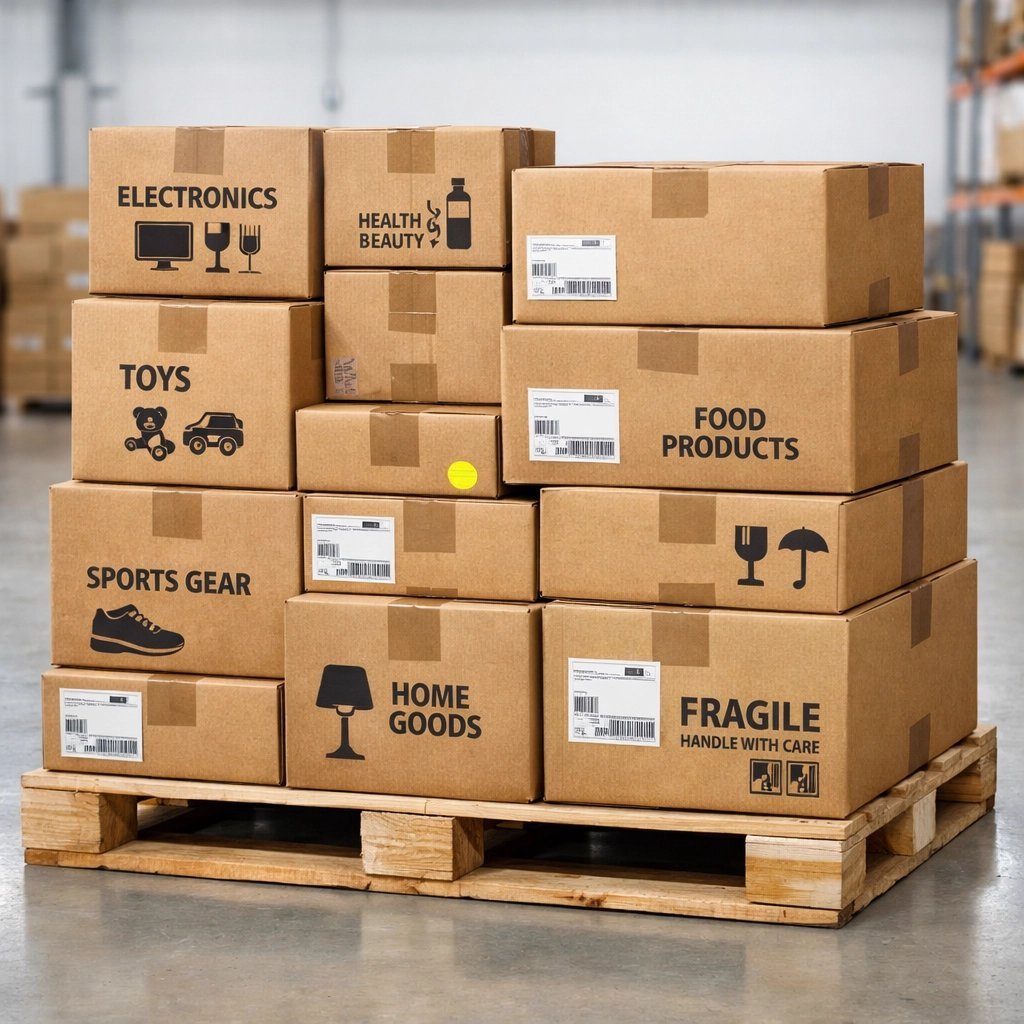
Great products start with great suppliers — and bad ones sink stores. So how do I find reliable suppliers for my online store without learning the hard way?
So, how do I find reliable suppliers for my online store? I spent a good chunk of time researching this, comparing options, and reading what real users say. Here's the honest breakdown.
Here’s the Quick Version
Start with established directories: Alibaba (vetted with Trade Assurance), ThomasNet for US manufacturers, Faire for wholesale boutique goods, and industry trade shows. Vet ruthlessly: order samples before committing, check years in business and reviews, verify business licenses, and start with small test orders. The best suppliers communicate clearly, quote consistently, and fix problems without drama. Red flags: prices far below market, refusal to send samples, pressure for wire transfers, and no verifiable business address.
Simple enough on the surface. But once you look closer, there are a few things that can trip you up if you're not careful.
Related reading: How much money do I need to start an online store.
For the official word, check the SBA's guide to sourcing products, which lays out the details straight from the source.
How Do I Find Reliable Suppliers for My Online Store? Vetting That Works
- Alibaba with Trade Assurance: massive selection, payment protection — always use Trade Assurance, never direct wire.
- Pay attention here: ThomasNet and Maker's Row: US-based manufacturers, higher cost but faster shipping and easier communication.
- Faire: curated wholesale marketplace with net-60 terms — excellent for boutiques testing new products.
- Here's the thing — Always order samples first: $50–$200 in samples prevents $5,000 mistakes.
- What surprised me: Build relationships with 2–3 suppliers per product — single-supplier dependency is a business risk.
Here’s How It Plays Out
A skincare seller ordered $4,000 of inventory from the cheapest Alibaba listing without samples. The product smelled wrong and the labels were misspelled. Her competitor ordered samples from three suppliers, picked the middle-priced one, and built a six-figure brand on consistent quality. Samples are cheap insurance.
Negotiating Like a Pro (Even Small)
Marketing on a tight budget isn’t about doing everything — it’s about doing one or two things well. Pick the channel where your customers already hang out and show up there consistently. For most local businesses that’s Google Business Profile and a simple, honest social presence. For online businesses it’s usually one platform done right plus an email list. Email is criminally underrated: you own that list, no algorithm can take it away, and it converts better than almost anything else.
Reviews are the other free marketing engine. Most happy customers simply forget to leave one — you have to ask, and asking feels awkward exactly once. Then it becomes routine. A steady stream of genuine reviews does more for a small business than most paid ads ever will. Make it easy: a direct link, a gentle reminder, and a genuine thank-you. Never fake them; one exposed fake review poisons ten real ones.
Paperwork isn’t fun, but ignoring it is expensive. The boring admin — licenses, taxes, contracts, insurance — is what keeps a good business from becoming a cautionary tale. You don’t need to become an expert; you need systems. A simple spreadsheet or basic accounting software, a folder (digital is fine) for every important document, and a calendar reminder for every deadline. An hour of admin a week prevents the kind of surprises that end businesses.
And get things in writing. Every time. The handshake deal that “we’ll figure out later” is where disputes are born — with clients, partners, suppliers, everyone. A simple written agreement doesn’t mean you distrust someone; it means you both remember the same thing six months later. Memories differ; documents don’t. This one habit will save you more grief than any other piece of business advice I could give.
You might also want to check out How can a small business compete with big companies online.
Tips From People Who’ve Done This
- Veterans of this stuff all say the same thing: ask for tiered pricing at 100/500/1000 units — you'll grow into better rates.
- It's not glamorous, but it works: negotiate payment terms, not just price: 30% deposit beats 100% upfront for cash flow.
- Veterans of this stuff all say the same thing: get everything in writing: specs, timelines, defect policies, and who's paying return shipping.
- Veterans of this stuff all say the same thing: visit or video-call important suppliers; relationships prevent most problems.
Don’t Learn These the Hard Way
- The classic blunder: choosing purely on price — the cheapest supplier is usually the most expensive lesson. I've seen this one cost people time and money more times than I can count.
- This trips up beginners all the time: skipping samples to 'save time' before a big order.
- This trips up beginners all the time: relying on a single supplier with no backup when they disappear or raise prices.
A Few More Questions Answered
Do I need a business plan?
You need a plan, but not the 40-page kind. One page is plenty to start: who you serve, what you offer, how you'll reach them, and your numbers. The point isn't the document — it's forcing yourself to think through the basics before money's on the line. Update it as reality teaches you things.
How much money do I really need to start?
Less than you think, more than you hope. Most service-based businesses can start with a few hundred dollars; product businesses need more for inventory. The real question isn't the startup cost — it's how many months you can survive without profit. Have at least three to six months of expenses covered before you count on income.
Should I quit my job first?
Almost never right away. The side-hustle phase — building while employed — is unglamorous but incredibly smart. It lets you test, learn, and make mistakes with a safety net. Quit when the business consistently covers your needs and has momentum, not when you're excited on a Sunday night.
My Take
Directories to find them, samples to vet them, small orders to test them, relationships to keep them. Reliable suppliers are a competitive advantage — earn them carefully.
You don't need to become an expert here — you just need enough to make a smart call and move on.
You might also want to check out How can I improve my business's online reviews.
One more useful resource: the FTC on supply chain issues — worth bookmarking before you make any final decisions.


