
Forty-page business plans gather dust. So how do I write a simple business plan for a small business that I'll actually use?
So, how do I write a simple business plan for a small business? I've dug into this pretty thoroughly, talked to people who deal with it daily, and run the numbers myself. Here's what I found.
Here’s the Quick Version
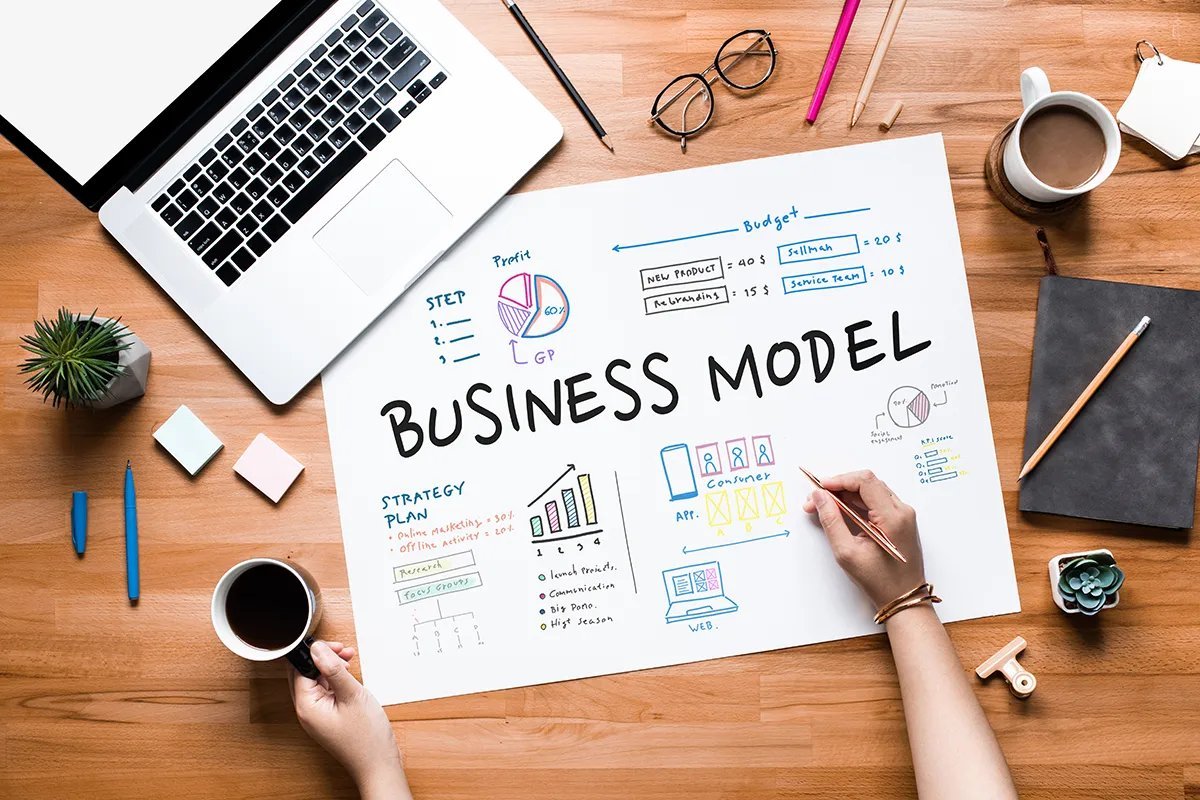
Use the one-page format: (1) What you sell and to whom, in two sentences. (2) The problem you solve and why you're the one to solve it. (3) How you'll find customers — your one or two marketing channels. (4) Your numbers: startup costs, monthly expenses, price, and how many sales you need monthly to survive. (5) Your next three concrete milestones. That's it. Banks and the SBA accept simplified plans for small loans, and you'll actually revisit a one-pager — unlike a binder nobody opens.
But the headline number (or simple answer) only tells part of the story. The details below are where the real decisions get made.
You might also want to check out How much does it cost to start a small business in the US.
For the official word, check the SBA's business plan guide, which lays out the details straight from the source.
How Do I Write a Simple Business Plan for a Small Business?
- Problem and solution first: if you can't explain the customer's pain in two sentences, you're not ready.
- Target customer, specifically: 'busy parents in Denver,' not 'everyone who eats food.'
- Marketing plan = where customers already are, not where you wish they were.
- The numbers section is the heart: costs, pricing, and the breakeven math — be brutally honest here.
- Here's the thing — Milestones make it real: 'first 10 customers by March' beats vague five-year visions.
A Concrete Example
My one-page plan for a tutoring business: target (high-school parents in my zip code), channel (local Facebook groups + school bulletin boards), math ($60/hour × 15 hours/week = $3,600/month against $400 in costs). I hit profitability in month two because the plan forced me to face the numbers first.
The Numbers Section: Where Plans Get Real
Marketing on a tight budget isn’t about doing everything — it’s about doing one or two things well. Pick the channel where your customers already hang out and show up there consistently. For most local businesses that’s Google Business Profile and a simple, honest social presence. For online businesses it’s usually one platform done right plus an email list. Email is criminally underrated: you own that list, no algorithm can take it away, and it converts better than almost anything else.
Reviews are the other free marketing engine. Most happy customers simply forget to leave one — you have to ask, and asking feels awkward exactly once. Then it becomes routine. A steady stream of genuine reviews does more for a small business than most paid ads ever will. Make it easy: a direct link, a gentle reminder, and a genuine thank-you. Never fake them; one exposed fake review poisons ten real ones.
Let’s talk money, because this is where small businesses quietly die. Cash flow kills more businesses than bad ideas ever will — you can be profitable on paper and still go under because the money arrives in March but the bills are due in January. Separate your business money from your personal money from day one, even if it feels premature. Future you, staring at a tax return, will be enormously grateful.
And price like you mean it. The most common beginner mistake is undercharging — partly from insecurity, partly from not knowing the true costs. Add up everything: materials, your time, fees, taxes, the hours you spend on admin that nobody pays you for. Then add a margin. If your price makes you slightly uncomfortable to say out loud, you’re probably in the right neighborhood. You can always discount strategically; it’s much harder to raise prices later.
If that piqued your interest, you’ll like How do I get a small business loan with no credit history too.
What Works in the Real World
- Do this before anything else: calculate breakeven before anything else — how many sales at what price covers your costs?
- Don't skip this: be pessimistic on revenue and generous on expenses; reality lands between.
- Veterans of this stuff all say the same thing: include your own salary in the costs — 'profit' that requires you to starve isn't a plan.
- Do this before anything else: revisit the plan quarterly; it's a living document, not a monument.
Mistakes Worth Avoiding
- Here's one I see constantly: writing 40 pages of market analysis instead of talking to 10 potential customers. Don't let it happen to you.
- The classic blunder: skipping the financial math because 'the idea is strong'. I've seen this one cost people time and money more times than I can count.
- Here's one I see constantly: treating the plan as finished — the best plans get rewritten as reality teaches. Don't let it happen to you.
Before You Go: Quick FAQs
How much money do I really need to start?
Less than you think, more than you hope. Most service-based businesses can start with a few hundred dollars; product businesses need more for inventory. The real question isn't the startup cost — it's how many months you can survive without profit. Have at least three to six months of expenses covered before you count on income.
How long until I'm profitable?
Longer than the gurus say. Most real small businesses take six to eighteen months to turn a consistent profit. Anyone promising faster is selling something. Plan for the slow ramp, keep your day-one costs lean, and measure progress in customers and revenue trends, not just vibes.
Do I need a business plan?
You need a plan, but not the 40-page kind. One page is plenty to start: who you serve, what you offer, how you'll reach them, and your numbers. The point isn't the document — it's forcing yourself to think through the basics before money's on the line. Update it as reality teaches you things.
Here’s My Honest Take
One page, five sections, honest numbers. A simple plan you actually use beats a perfect plan you never open — every time.
You don't need to become an expert here — you just need enough to make a smart call and move on.
For more on this, see our guide to What is the best way to market a small business on a tight budget.
One more useful resource: SCORE's free business plan template — worth bookmarking before you make any final decisions.


