
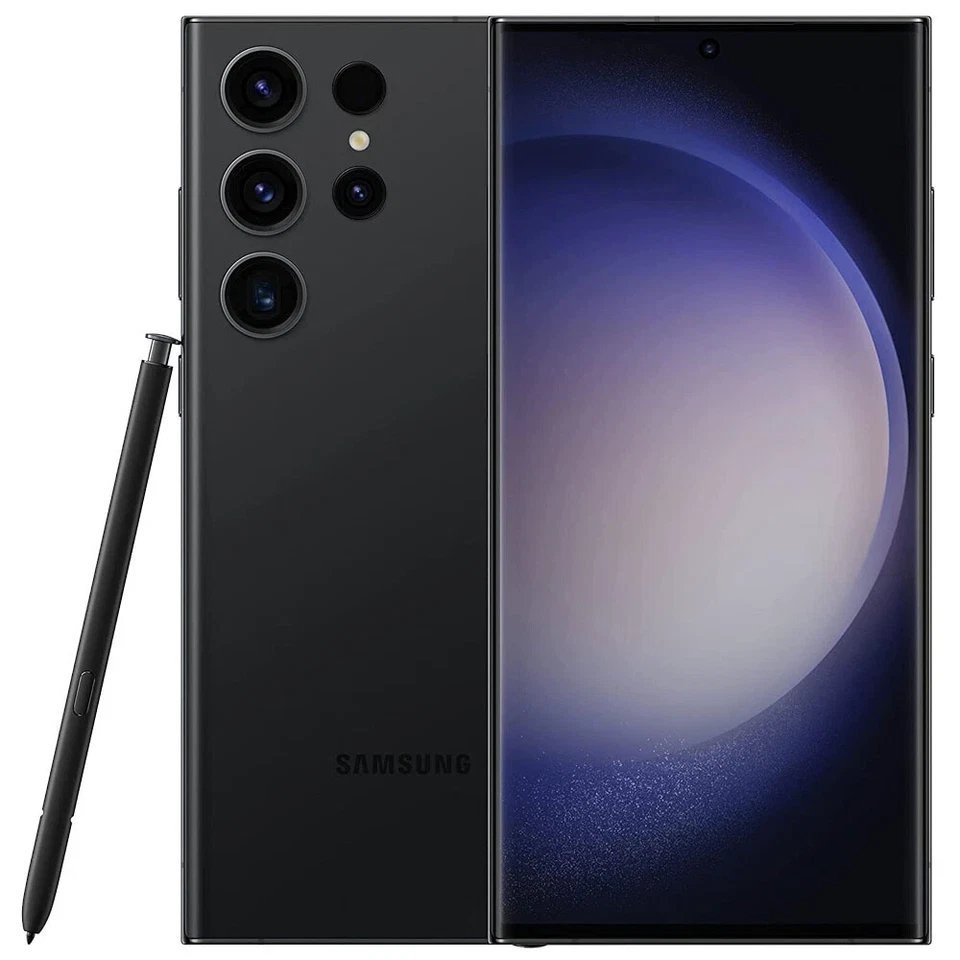
A year-old flagship for half price is tempting. But what should I look for when buying a used phone online to avoid getting burned?
So, what should I look for when buying a used phone online? Between my own experience and what I've gathered from folks who do this every day, here's the full picture.
Here’s the Deal
First, verify the IMEI isn't blacklisted (check free at imei.info or your carrier's site) — a blacklisted phone can't connect to networks. Buy from sellers with strong ratings and return policies (Swappa, Back Market, and manufacturer refurbished programs beat random marketplace sellers). Ask for battery health percentage, check for carrier locks, and confirm the phone isn't iCloud/Google locked (activation lock = expensive brick). Meet the price with skepticism: if it's far below market, something's wrong.
That's the short version. Now let's get into the parts that actually affect your wallet and your day.
Worth a read next: How can I make my old computer run faster without buying a new one.
For the official word, check the FCC's guide to buying used phones, which lays out the details straight from the source.
What Should I Look for When Buying a Used Phone Online? The 9-Point Check
- IMEI check first: a clean, non-blacklisted IMEI is non-negotiable — ask the seller for it before paying.
- Here's the thing — Battery health above 85% is ideal; below 80% means budgeting $50–$90 for a replacement soon.
- Confirm it's unlocked (or locked to YOUR carrier) — carrier-locked phones limit your options.
- No activation lock: iPhones must be removed from the previous owner's iCloud; Androids from their Google account.
- Seller reputation matters most: Swappa and Back Market verify listings; random social-media sellers don't.
A Concrete Example
I bought a 'mint' Galaxy S22 for $280 from a marketplace seller — no returns, no questions allowed. It arrived carrier-locked with 76% battery health. The $350 Swappa listing I'd skipped would've been cheaper in the end. Lesson learned the expensive way.
The Safest Places to Buy Used
Here’s something the spec sheets won’t tell you: real-world performance and advertised performance are different animals. Battery life is measured in lab conditions, WiFi speeds assume you’re hugging the router, and “water resistant” comes with fine print that would make a lawyer blush. I take every manufacturer claim and mentally shave off 20–30%. If the product still looks good after that haircut, it’s probably genuinely good.
User reviews are your best friend here — but read them like a detective, not a tourist. Ignore the five-star raves and the one-star rants; the truth lives in the three-star reviews where people explain exactly what bugged them after a month of real use. Sort by “most recent” too, because firmware updates can fix or break things, and a review from two years ago might describe a product that barely exists anymore.
Timing matters more than most people realize. Tech prices follow rhythms — new models drop in predictable seasons, and the previous generation gets discounted right after. If you can wait six to eight weeks, you can often get last season’s flagship for the price of this season’s mid-range option, which is almost always the better deal. Refurbished and open-box items follow a similar pattern, flooding the market right after big launches.
The other timing trap is buying right before you actually need something. Gadgets sitting in a drawer lose value and warranty coverage simultaneously. Buy when you’re ready to use it, not when the deal looks shiny. And if a salesperson is pushing hard, that’s information too — it usually means the margin is good for them, not the value for you. Sleep on any tech purchase over a couple hundred bucks. You’ll thank yourself.
Worth a read next: Is it safe to buy electronics from third-party sellers online.
Advice That Saves You Headaches
- If you remember one tip from this list, make it this: prefer platforms with buyer protection and IMEI verification (Swappa, Back Market, manufacturer outlets).
- Do this before anything else: pay with a credit card or protected payment method — never wire transfers or gift cards.
- It's not glamorous, but it works: test everything in the return window: cameras, speakers, mics, ports, and cellular signal.
- Do this before anything else: compare against the current new price; used should be at least 30–40% cheaper to be worth the risk.
Common Pitfalls to Dodge
- Here's one I see constantly: buying from sellers who refuse to share the IMEI beforehand. Don't let it happen to you.
- This trips up beginners all the time: skipping the activation-lock check — a locked phone is a paperweight.
- Here's one I see constantly: judging condition from stock photos instead of actual pictures of the device. Don't let it happen to you.
Quick Questions, Straight Answers
How do I know I'm getting a fair price?
Get three quotes. It's the oldest advice in the book because it works. You'll quickly see the going rate, and outliers in either direction tell you something — suspiciously cheap often means corners cut, while the priciest option isn't automatically the best. Ask what each quote includes so you're comparing apples to apples.
Can I do this myself, or should I get help?
It depends on your comfort level and what's at stake. Low-risk tasks with good tutorials are great DIY candidates. But if messing up would cost you the device, your data, or your warranty, that's the moment to call in someone experienced. There's no shame in it — pros exist for a reason, and their mistakes are their problem, not yours.
How long does this usually take?
Honestly, it varies more than most guides admit. A straightforward case might take under an hour, while anything involving shipping, appointments, or waiting on parts can stretch to several days. My advice: ask for a realistic timeline up front, then add a buffer. If someone promises it'll be instant, get the details — 'instant' usually means 'the easy part is instant.'
What I’d Do
Check the IMEI, buy from reputable platforms, verify battery and locks, and pay protectively. Do that and a used phone is one of the smartest tech deals around.
At the end of the day, this is one of those things where a little homework pays off fast.
For more on this, see our guide to Is it worth buying a refurbished laptop for college.
One more useful resource: the FTC on avoiding online shopping scams — worth bookmarking before you make any final decisions.


