How Much is an Inground Pool? Average Price Guide (2026)
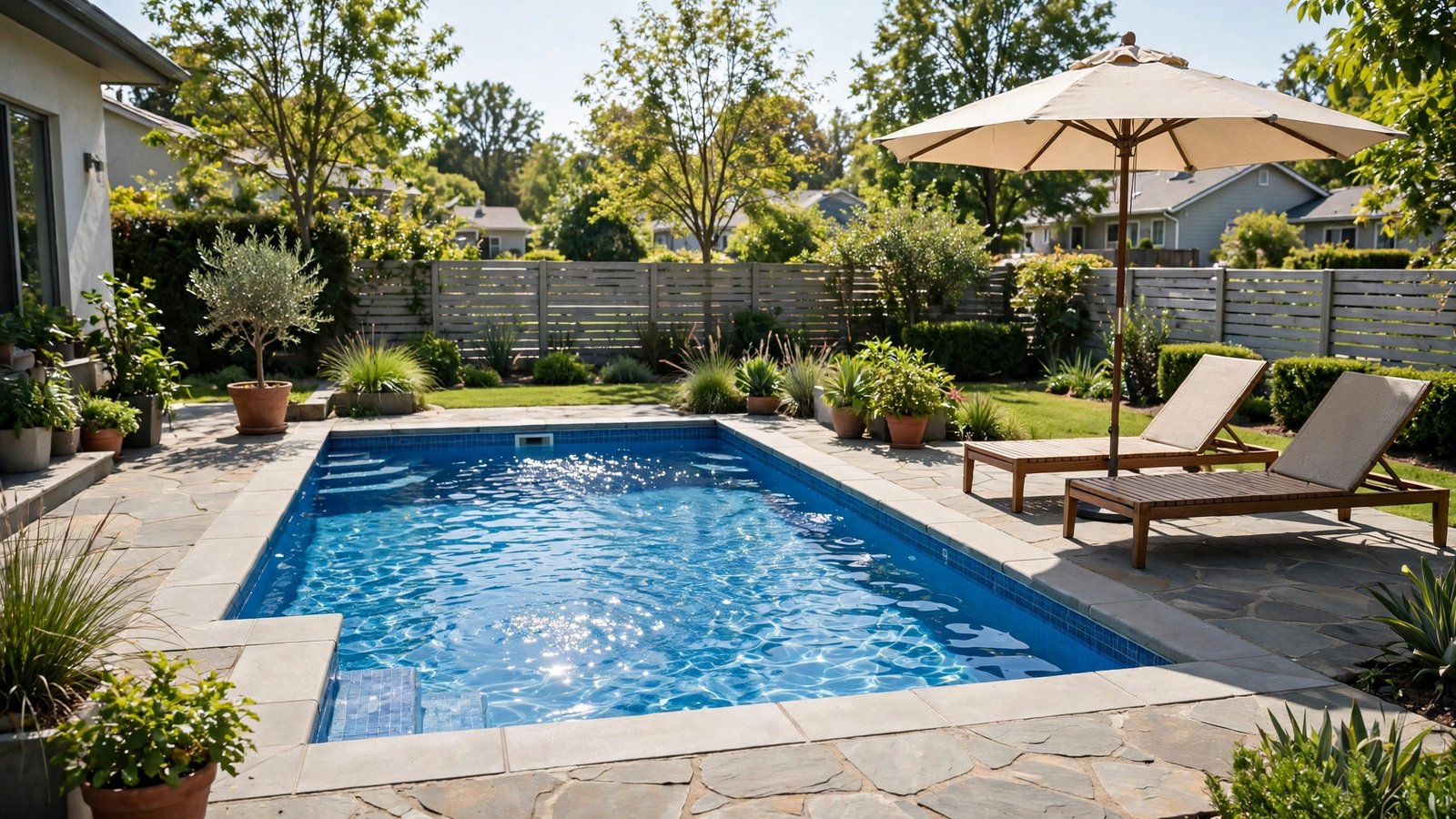
An inground pool costs $50,000 to $80,000 on average in 2026, fully installed. Entry-level vinyl liner pools start near $35,000, mid-range fiberglass pools run $45,000–$85,000, and custom concrete pools range from $60,000 to well over $100,000. Those figures cover the pool shell, basic equipment, and standard installation — decking, fencing, and extras cost more.
Inground Pool Prices by Material (2026)
Vinyl liner: $35,000–$65,000
The most affordable inground option. A flexible liner stretches over a steel, polymer, or concrete wall frame. Installation is relatively fast (4–8 weeks). The catch: the liner wears out and must be replaced every 7–12 years at $4,000–$7,000, and sharp objects or pet claws can puncture it.
Fiberglass: $45,000–$85,000
A one-piece shell manufactured off-site and craned into an excavated hole. Fastest inground install (2–4 weeks), smooth non-porous surface that resists algae, and the lowest lifetime maintenance of the three. Downsides: you are limited to the manufacturer’s shapes and sizes, and very large pools may not be available.
Concrete/gunite: $60,000–$100,000+
Sprayed concrete over a steel rebar frame, finished with plaster, pebble, or tile. Unlimited custom shapes, sizes, and depths — the luxury choice. Also the slowest build (2–4 months), the most expensive, and the highest maintenance: the porous surface needs more chemicals, brushing, and resurfacing every 10–15 years ($10,000–$20,000).
The Hidden Costs Most Quotes Leave Out
The pool price is rarely the project price. Budget for these:
- Decking/patio: $8,000–$20,000
- Safety fencing (usually legally required): $3,000–$10,000
- Electrical work and gas line for heater: $2,000–$6,000
- Permits and surveys: $500–$2,500
- Landscaping and grading: $3,000–$15,000
- Soil issues: rock excavation or dewatering can add $5,000–$20,000+
A realistic all-in budget for a mid-range inground pool project is $65,000 to $110,000 once everything is included.
Popular Add-Ons and What They Cost
- Saltwater chlorination system: $1,500–$3,000
- Pool heater (gas or heat pump): $2,500–$5,000
- Attached spa/hot tub: $8,000–$15,000
- Waterfalls, bubblers, or deck jets: $2,000–$10,000
- LED color lighting: $1,000–$3,000
- Automatic safety cover: $8,000–$15,000
- Robotic cleaner: $800–$2,000
- Diving board or slide: $1,500–$5,000
Each add-on also adds to long-term maintenance, so prioritize the ones you will actually use daily.
Inground Pool Costs in the NYC Area
Expect to pay 15–30% above the national average in the New York metro. Labor rates are higher, permits take longer, and tight-access lots in Queens, Brooklyn, and Staten Island often require cranes or hand-digging, adding $5,000–$15,000. Within New York City proper, Department of Buildings permits and strict safety codes add both cost and months of lead time. Many NYC-area homeowners find that realistic all-in quotes land between $80,000 and $130,000 for a quality inground pool.
Financing an Inground Pool
Most buyers do not pay cash. Common options:
- Home equity loan or HELOC: usually the lowest rates (roughly 7–9% in 2026) since the loan is secured by your home.
- Unsecured pool loan: faster, no collateral, but rates run 8–12%+.
- Builder financing: convenient but compare the rate — it is rarely the cheapest.
On a $70,000 pool financed over 10 years at 8%, you would pay roughly $850/month and about $32,000 in total interest. Make sure the monthly payment plus $3,000–$6,000/year in operating costs fits your budget comfortably.
Is an Inground Pool Worth the Money?
Financially, pools are a lifestyle purchase, not an investment — especially in the Northeast, where you typically recoup only 30–60% of the cost at resale and the swim season runs May to September. But “worth it” is not purely financial: families who swim daily for five months a year often say it is the best money they ever spent. Just go in knowing the real numbers, including $3,000–$6,000 in yearly operating costs.
Frequently Asked Questions
What is the cheapest inground pool you can install?
A basic vinyl liner pool at $35,000–$45,000 is the cheapest inground option. Small fiberglass “plunge” or “cocktail” pools ($30,000–$50,000) are another budget-friendly inground choice gaining popularity on smaller lots.
How long does an inground pool last?
The structure itself can last 30–50+ years. Vinyl liners need replacing every 7–12 years, fiberglass shells can last 25+ years with gel-coat touch-ups, and concrete pools need resurfacing every 10–15 years. Pumps last 8–12 years; heaters 7–10.
Does an inground pool increase homeowners insurance?
Yes. Insurers classify pools as an “attractive nuisance,” so premiums typically rise $50–$200/year, and many insurers require a locked fence and a higher liability limit — some agents recommend a $1M umbrella policy.
Can I install an inground pool myself to save money?
DIY kits exist ($15,000–$30,000 for materials), but excavation, plumbing, electrical, and structural work require serious skill — and mistakes can cost more than hiring a pro. Most homeowners are better off with a professional installer and negotiating on features instead.
When is the best time of year to install a pool?
Fall and winter. Builders offer 5–15% off-season discounts, crews are more available, and the pool is ready for the first warm weekend of spring instead of mid-summer.
An inground pool is a $50,000–$80,000 commitment on average — more like $65,000–$110,000 all-in with decking, fencing, and extras, and higher still in the NYC metro. Choose the material that fits your budget and patience, get at least three detailed quotes, and budget honestly for the yearly upkeep. Do that, and you will spend next summer in the water instead of stressing about the bills.