
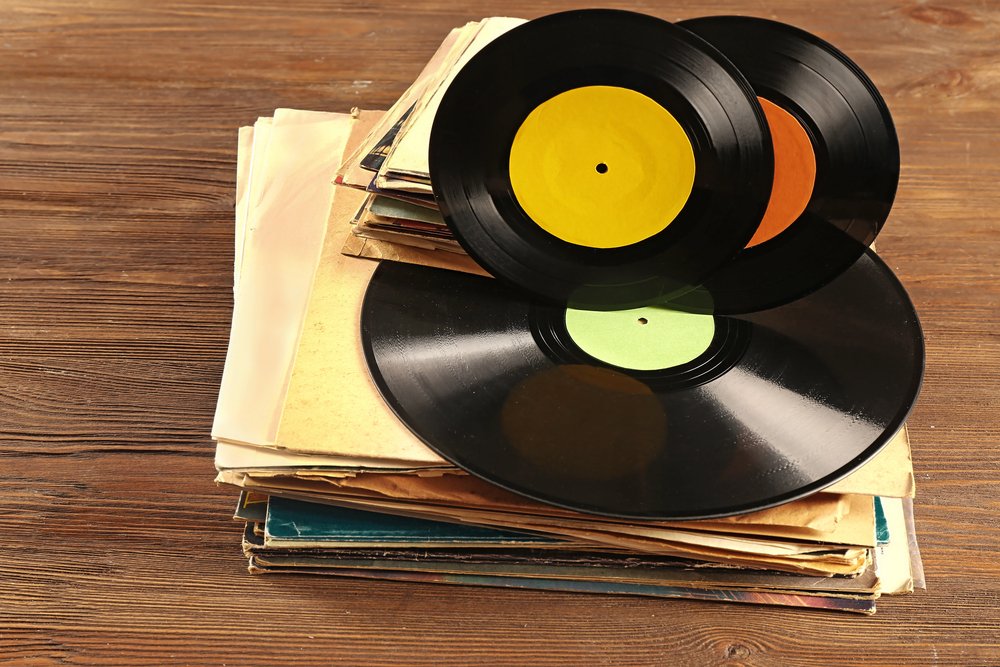
Vinyl is back — and unlike most comebacks, this one stuck around because it’s genuinely great. The warm sound, the large artwork, the ritual of dropping the needle, the way an album becomes an event instead of background noise. But vinyl has a reputation for being expensive, and it can be — new pressings run $30–40. The good news: starting a vinyl record collection on a budget is entirely possible. The used market is overflowing, the gear can be affordable, and the hunt is half the fun.
How to Start a Vinyl Record Collection on a Budget: The Gear First
The turntable (don’t skimp here — but don’t overspend either)
The turntable is the one place where cheaping out actually costs you — bad turntables (looking at you, suitcase players) track too heavily and damage your records over time. But you don’t need to spend $500:
- Budget pick ($150–250): Audio-Technica AT-LP60X — the standard starter deck. Fully automatic, decent sound, won’t hurt your records. The default recommendation for a reason.
- Step up ($300–400): Fluance RT80/RT81 or Audio-Technica AT-LP120X — better cartridges, adjustable tracking, room to grow.
- Used market: vintage Technics, Dual, and Pioneer decks from the 70s–80s are tanks — often $50–150 at thrift stores and estate sales. If it powers on and the platter spins true, it’s probably fine (budget $30 for a new stylus).
- Avoid: suitcase-style players with built-in speakers — they sound bad and wear records out. The cute aesthetic isn’t worth it.
Speakers and the rest
You need powered (active) speakers — the turntable connects directly, no receiver needed. Edifier R1280T ($100) is the budget standard; anything decent works. Total starter setup: $250–350 new, or under $150 used/thrifted. That’s the real budget entry point — not the $1,000 audiophile rigs the forums talk about.
Care supplies (non-negotiable, cheap)
A carbon fiber brush ($15) — brush every record before every play. Inner sleeves ($15 for 50) — replace paper sleeves that shed. A stylus cleaner ($10). That’s it. These $40 of supplies protect hundreds of dollars of records.
Building the Collection Cheap
Where to buy (ranked by value)
- Thrift stores & estate sales: $1–3 per record. The selection is random — mostly easy listening and unwanted Christmas albums — but the occasional gem (original Beatles pressing, jazz classics) makes the hunt addictive. Go often; stock rotates.
- Discogs: the definitive online marketplace. Filter by condition (VG+ or better for playing), compare sellers, check shipping. The Discogs database also catalogs your collection — essential once you pass 50 records.
- Local record stores’ bargain bins: $1–5 sections exist in most shops. Ask staff — they love guiding new collectors.
- Record fairs: dealers with dollar boxes; haggle politely on the last day.
- Facebook Marketplace / Craigslist: “collection for sale” listings — often $1–2 per record for bulk lots. Inspect before buying.
- New (selectively): buy new only for albums you love deeply — your top 10. Everything else, buy used.
What to buy first
Your desert-island albums — the 10 records you’d actually play monthly. Cheap classics — Fleetwood Mac’s Rumours, Pink Floyd’s Dark Side, Michael Jackson’s Thriller sold millions; used copies are $5–10 everywhere. Albums that reward vinyl — jazz, soul, classic rock, anything with dynamic range and great artwork. Local bands’ records — often $10–15 at shows, and you’re supporting artists directly.
Grading: don’t get burned
Learn the Goldmine grading scale: Mint (perfect), Near Mint, VG+ (light wear, plays great — the sweet spot for budget buyers), VG (noticeable wear), below that is decoration, not listening. Always inspect used vinyl: hold it under a bright light, look for deep scratches (light scuffs are usually fine), check for warping (sight along the edge). When buying online, buy from sellers with 99%+ ratings and read the grading notes.
The Ritual (Why It’s Worth It)
Vinyl changes how you listen. No skipping (well, you can, but it’s a hassle — so you don’t), full albums front to back, the 20-minute side as a natural listening unit, the artwork at 12 inches, the liner notes. It’s intentional listening in an age of infinite skip. My music discovery guide pairs perfectly — the “one album a week” challenge was basically designed for vinyl. And for the full experience, my date night ideas include the record-store date — crate digging together, then listening to your finds.
Budget Reality Check
Starter: $250–350 (turntable + speakers + care supplies) + $50 for your first 10–20 used records = under $400 all-in. Ongoing: $20–40/month buys 5–10 used records — a collection of 100+ within two years. Compare to streaming ($120+/year forever, own nothing) — vinyl costs more upfront but you own music that never disappears from licensing changes. It’s not the cheapest way to hear music; it’s the most rewarding way to collect it.
The Practical Takeaway
Vinyl on a budget = decent starter turntable ($150–250, not a suitcase player) + powered speakers ($100) + $40 in care supplies + thrift stores, Discogs, and bargain bins for $1–10 records. Buy your desert-island albums first, learn VG+ grading, brush every record.
Visit a thrift store this weekend. That $2 record with the great cover might be the start of everything.
Vinyl Care Mistakes That Ruin Records
Protect your investment by avoiding the classic errors. Stacking records flat — always store upright; flat stacking warps them over time. Touching the playing surface — oils from fingers attract dust and cause noise; handle by edges and label only. Leaving records out of sleeves — every minute exposed is dust accumulation; re-sleeve immediately after playing. Heat exposure — never store near radiators, in attics, or in hot cars; vinyl warps at surprisingly low temperatures. Playing with a worn stylus — a damaged needle carves grooves instead of reading them; replace styli per manufacturer schedule (typically 500–1000 hours). Wet-playing or gimmick cleaners — stick to the carbon brush and proper wet-cleaning systems; internet hacks often do more harm than good. Records are durable if treated right — many 60-year-old pressings play beautifully because someone stored them upright and brushed them.


