
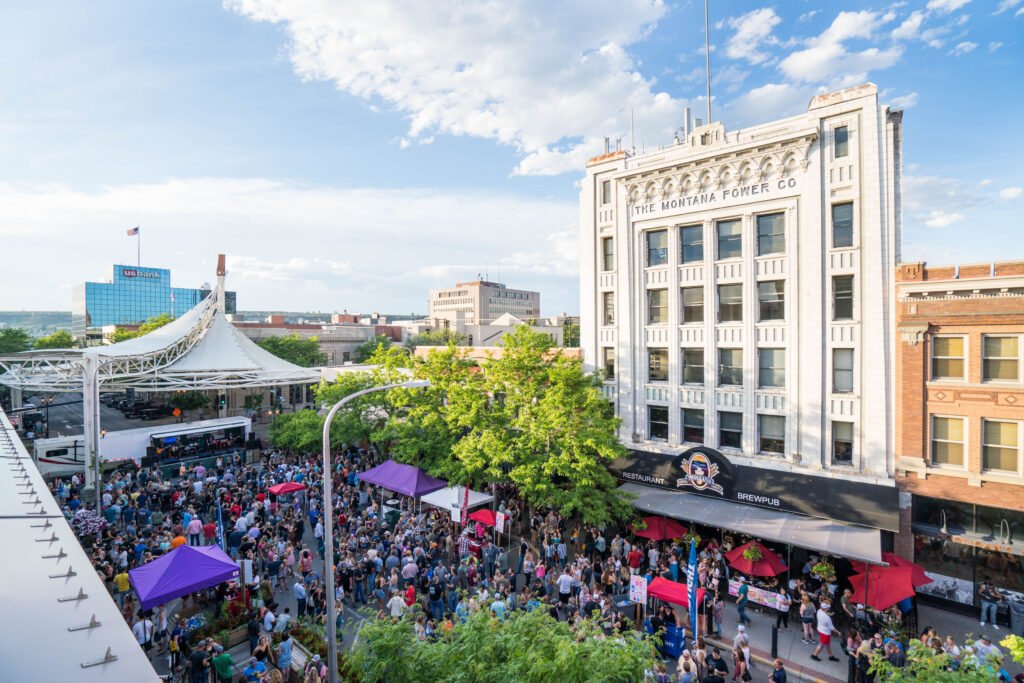
Live music is one of life’s great joys, and it doesn’t have to cost $150 plus fees. Every city — yes, even yours — has free concerts happening regularly. Most people just don’t know where to look. If you’re wondering how to find free concerts in your city, here’s the complete guide to $0 live music, from summer park series to secret in-store performances.
How to Find Free Concerts in Your City: The Sources
1. Summer concert series (the motherlode)
Nearly every American city runs free outdoor summer concerts — in parks, on piers, in downtown squares. These range from local bands to genuine touring acts, and the vibe (blanket on the grass, sunset, food trucks) is unbeatable. How to find them: search “[your city] free summer concert series” every May, check your parks department website, and follow your city’s tourism/arts accounts on social media. They announce lineups in late spring. Mark the good ones on your calendar immediately — the best nights draw crowds.
2. Your local listings (the ongoing goldmine)
- Alt-weekly / local paper events calendar — filter for free events; there’s always something
- Library systems — many libraries host free concerts (jazz, classical, folk) in beautiful spaces
- Museums — free admission days often include live music; evening events add performances
- Farmers markets — most have live musicians; make it a Saturday morning ritual
- Street festivals and fairs — the music is free with entry (and entry is often free)
- College campuses — student recitals, faculty concerts, and guest performances, usually free and open to the public
- Churches and community centers — gospel, choir, and community concerts, often free
3. Record store in-stores (the insider secret)
Record stores regularly host free in-store performances — touring bands playing acoustic sets to 30 people, album release parties, local showcases. Follow your local record stores on social media — that’s where these get announced, often with just a few days’ notice. Some of the best intimate performances happen in record stores, and they’re always free (buy a record to say thanks).
4. Radio station events
Local radio stations (especially public, college, and AAA-format stations) host free concerts, studio sessions, and showcase events for listeners. Sign up for their newsletters — member presales and free ticket giveaways go to subscribers first. NPR station events in particular are consistently excellent and often free.
5. Bars and restaurants with no cover
Plenty of bars feature live music with no cover charge — jazz trios, acoustic duos, blues nights. The “cost” is buying a drink, which you’d do anyway. Ask around or check listings for “no cover” nights. These become regular hangs: same bar, same night, familiar musicians. There’s something wonderful about being a regular somewhere with live music.
6. Open mics and jam sessions
Free to attend, often shockingly good, and you discover local talent before anyone else. Blues jams, jazz sessions, songwriter rounds — the formats vary, but the price (free) doesn’t. Many become weekly rituals.
7. House concerts and DIY spaces
The underground runs on word of mouth: house shows, warehouse spaces, DIY venues. Find them through local music Facebook groups, Instagram accounts of local promoters, and flyers at record stores and coffee shops. These are often donation-based (“pay what you can”) — bring cash, be respectful, and you’ll discover your new favorite band in someone’s living room.
Free Doesn’t Mean Low Quality
Let’s kill the assumption: free concerts are often better experiences than expensive ones. Small rooms, passionate crowds, artists playing for love rather than a paycheck, no $18 beers, no parking nightmares. Some of the most memorable shows happen in parks, libraries, and record stores. The National Endowment for the Arts funds free concerts nationwide precisely because live music shouldn’t require wealth to access.
Making Free Music a Habit
The weekly check: every Monday, spend 5 minutes scanning your sources for the week’s free shows. The “yes” rule: if a friend invites you to a free show, go — zero financial risk, infinite upside. The summer calendar: in May, map out the whole summer concert series season — it’s the best free entertainment deal in American life. Bring people: free shows are the easiest invitations (“it’s free, just come”) and the best low-pressure dates — see my date night ideas for more.
For the full live-music picture including paid shows worth the money, my live music finder guide covers the apps and ticket strategies.
The Practical Takeaway
Free concerts in your city: summer park series (search every May), library/museum/college performances, record store in-stores (follow on social), radio station events, no-cover bar gigs, open mics, and DIY house shows. Check listings weekly, say yes to invitations, and map the summer season in advance.
There’s a free show near you this week. Go find it — your wallet stays full and your soul gets fed.
Free Music Festivals (The Big Scores)
Beyond regular series, watch for free festivals — many cities host annual free music festivals with genuinely great lineups. These are often funded by arts organizations, sponsors, or tourism boards, and they can feature national touring acts. How to catch them: follow your city’s arts council and tourism board (they promote these heavily), watch for announcements in spring, and arrive early for good spots — the headliners draw big crowds. Street fairs and cultural festivals also book live music as part of the program; the music is free with (usually free) entry. And First Friday / art walk events in arts districts almost always include live performers. One free festival day can deliver 6–8 hours of live music, food vendors, and discovery — it’s the highest-value entertainment day of the summer, and it costs nothing.
Make this the summer you actually do it. Pick three free shows from the listings this week and put them on the calendar — not as maybes, as plans. Bring a blanket, bring a friend, bring snacks. You’ll spend nothing, hear something new, and wonder why you ever thought live music required a big budget. The best things in a city are often free; you just have to know where to look. Now you do.


