
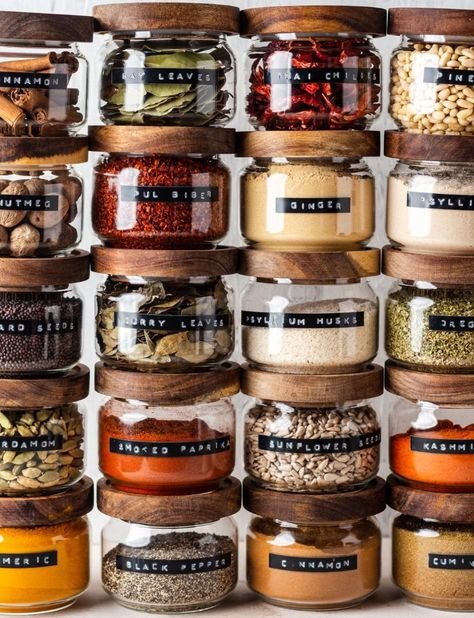
Walk into the spice aisle and it’s overwhelming — hundreds of jars, exotic names, and no clue where to start. But here’s the secret experienced cooks know: a small set of versatile spices covers the vast majority of home cooking. So what spices should every beginner cook have? These ten. With just these, you can cook convincingly across Italian, Mexican, Indian-inspired, Middle Eastern, and classic American flavors. Everything else is a specialty purchase for specific recipes.
What Spices Should Every Beginner Cook Have? The Essential 10
1. Kosher salt
Not technically a spice, but the foundation of all flavor. Kosher salt (Diamond Crystal or Morton) — easier to pinch and distribute than table salt, no metallic iodine taste. If you buy one thing from this list, make it this. Salt properly and everything else tastes better.
2. Black peppercorns (whole, with a grinder)
Pre-ground pepper loses its punch within weeks; whole peppercorns stay potent for years. A $10 grinder + whole peppercorns = dramatically better pepper. You’ll use it in literally everything.
3. Garlic powder
Different from fresh garlic, not inferior — it distributes evenly in rubs, coatings, and sauces where fresh would burn or clump. The workhorse savory seasoning.
4. Onion powder
Same logic as garlic powder — background savory depth in everything from meatballs to roasted vegetables to dips.
5. Paprika
Sweet, mild, and gives beautiful color. Essential for deviled eggs, roasted chicken, stews, and anywhere you want warmth without heat. (Smoked paprika is the advanced version — buy it second; it’s transformative in a different way.)
6. Cumin
Earthy, warm, essential for Mexican, Indian, and Middle Eastern cooking — tacos, chili, curries, falafel. Whole cumin seeds toasted and ground are transcendent, but ground is fine to start.
7. Chili powder (American blend)
The pre-mixed blend (ancho + cumin + oregano + garlic) — instant chili, taco seasoning base, and smoky warmth for roasted veg. Check the heat level; blends vary.
8. Italian seasoning (or oregano + basil)
The shortcut to Italian-American flavor: pasta sauce, pizza, roasted vegetables, vinaigrettes. Buying the blend is fine; upgrading to individual oregano, basil, and thyme comes later.
9. Cinnamon
Not just for baking — cinnamon in savory cooking (chili, Moroccan dishes, curries) adds mysterious depth. And obviously essential for baking, oatmeal, and French toast.
10. Red pepper flakes
Controlled heat for anything — pasta, pizza, stir-fries, roasted vegetables. A pinch wakes up flat dishes. Easier to dose than fresh chiles for beginners.
McCormick’s spice guides have good usage ideas for each of these if you want to explore beyond the basics.
The Second Tier (Buy As Needed)
Once the essentials are in place, add these per your cooking interests: turmeric (golden color, earthy — curries, rice), coriander (citrusy — pairs with cumin everywhere cumin goes), smoked paprika (bbq depth without a smoker), oregano (Greek/Mexican dishes), thyme (roasts, soups), bay leaves (soups, braises — remove before serving), curry powder (the blend shortcut), cayenne (pure heat when flakes aren’t fine enough).
Buying and Storing (This Matters More Than You Think)
- Buy small quantities. Ground spices lose potency in 6–12 months. That warehouse-store giant jar will be sawdust-flavored by the time you’re halfway through. Small jars, replaced yearly.
- Check turnover. Buy from stores with high spice turnover (or dedicated spice shops online). Supermarket spices can sit for years.
- The sniff test: open and smell. Potent = fragrant and vivid. Dead = dusty and faint. If you can’t smell it, it can’t flavor food.
- Store cool, dark, and dry — NOT above the stove (heat + steam kill spices fast). A drawer or cabinet away from heat is ideal.
- Whole spices last 2–3x longer than ground. A cheap coffee grinder dedicated to spices ($15) grinds cumin seeds, coriander, and peppercorns at peak flavor.
- Date your jars with a marker when opened. Future you won’t remember.
How to Actually Use Them
- Bloom in fat: heating spices in oil/butter for 30–60 seconds before adding liquids releases fat-soluble flavors — the difference between flat and vibrant in curries, chilis, and sauces.
- Salt first, spice second: underseasoned food can’t be saved by spices. Salt properly, then layer spices.
- Taste as you go. Add half, taste, add more. You can always add; you can’t subtract (well, you can dilute — but it’s a pain).
- Toast whole spices in a dry pan until fragrant (1–2 minutes) before grinding — transformative for cumin, coriander, and peppercorns.
Building Your Spice Blend Library
Individual spices are ingredients; blends are shortcuts. Once your rack is stocked, mix these house blends — they turn weeknight cooking from flat to finished:
- All-purpose savory: 2 parts garlic powder, 2 parts onion powder, 1 part paprika, 1 part black pepper, 1 part salt. Goes on everything — roast chicken, vegetables, eggs, potatoes.
- Italian-ish: oregano, basil, garlic powder, red pepper flakes, a little fennel seed. Pasta, pizza, roasted vegetables, white beans.
- Taco/fajita: chili powder, cumin, paprika, garlic powder, onion powder, oregano, cayenne. So much cheaper than packets — and no anti-caking agents or mystery “flavors.”
- Curry-ish weeknight: turmeric, cumin, coriander, ginger, a pinch of cinnamon. Not authentic to any specific cuisine, but it makes a credible weeknight curry in 20 minutes.
- Sweet blend: cinnamon, nutmeg, allspice, a little cardamom. Oatmeal, baked goods, coffee, roasted sweet potatoes.
Blend rules: mix in small batches (they lose potency faster combined), label with the date, store in airtight jars away from heat. Taste and adjust — blends are personal. And use them boldly: the most common beginner mistake isn’t wrong blends, it’s timid seasoning. When a dish tastes “missing something,” the answer is almost always more of the blend, not a different one. These blends also make meal-prepped lunches and homemade pasta sauce taste deliberate instead of bland — the same jars, working overtime across your whole week of cooking.
The Practical Takeaway
Every beginner cook needs: kosher salt, whole black peppercorns, garlic powder, onion powder, paprika, cumin, chili powder, Italian seasoning, cinnamon, and red pepper flakes. Buy small, store away from heat, sniff-test yearly, and bloom spices in fat for maximum flavor. These ten cover the vast majority of home cooking — master them before expanding. Good spices, used properly, are the difference between “I made dinner” and “I made dinner.”


