
Professional home inspectors charge $300–$500 to do what you can largely do yourself once a year: walk your property with fresh eyes and catch small problems before they become expensive ones. So what should I check during a yearly home inspection? This room-by-room, inside-and-out checklist covers everything a homeowner should look at annually. Do it every spring — one thorough Saturday — and you’ll catch 90% of issues while they’re still cheap.
Outside: Start at the Curb
Roof (from the ground with binoculars)
- Missing, cracked, or curling shingles
- Damaged flashing around chimneys, vents, and skylights
- Moss or algae growth (treatable, but don’t ignore)
- Sagging areas (structural — call a roofer promptly)
- Chimney: cracked mortar, leaning, missing cap
Gutters and drainage
- Securely attached? Sagging sections? Leaking seams?
- Downspouts discharging 4+ feet from the foundation
- Grading: soil should slope away from the foundation (6″ drop in the first 10 feet). This single detail prevents most basement water problems.
Siding, trim, and foundation
- Cracked, rotted, or loose siding/trim — probe soft spots with a screwdriver
- Peeling paint (exposed wood rots fast)
- Foundation cracks: hairline is normal; horizontal cracks, stair-step cracks in block, or cracks you can fit a pencil into warrant a structural engineer
- Caulk failures around windows, doors, and penetrations
Yard and exterior systems
- Exterior faucets: run them, check for leaks inside when on
- Deck: soft boards, loose railings, ledger board attachment
- Driveway/walkways: trip hazards, major cracks
- Trees: dead limbs overhanging the house or power lines
What Should I Check During a Yearly Home Inspection? Inside, Room by Room
Attic
- Daylight through the roof (bad), water stains (bad), proper ventilation (good)
- Insulation depth — you shouldn’t see joists clearly
- Signs of pests: droppings, nests, chewed wires
- Bathroom exhaust fans venting outside (not into the attic — depressingly common)
Basement/crawl space
- Water stains, efflorescence (white mineral deposits = moisture), musty smell
- Sump pump: test it
- Exposed framing: rot, insect damage, mold
- Foundation walls: new or growing cracks
Every room
- Ceilings and walls: water stains (trace to the source — roof, plumbing, or HVAC)
- Windows: operation, locks, seal failures (fog between panes), caulk
- Doors: latch and close properly? — sticking can signal foundation movement
- Floors: new squeaks, soft spots, tile cracks
- Outlets and switches: test a sample; warm outlets are a red flag
Kitchen and bathrooms
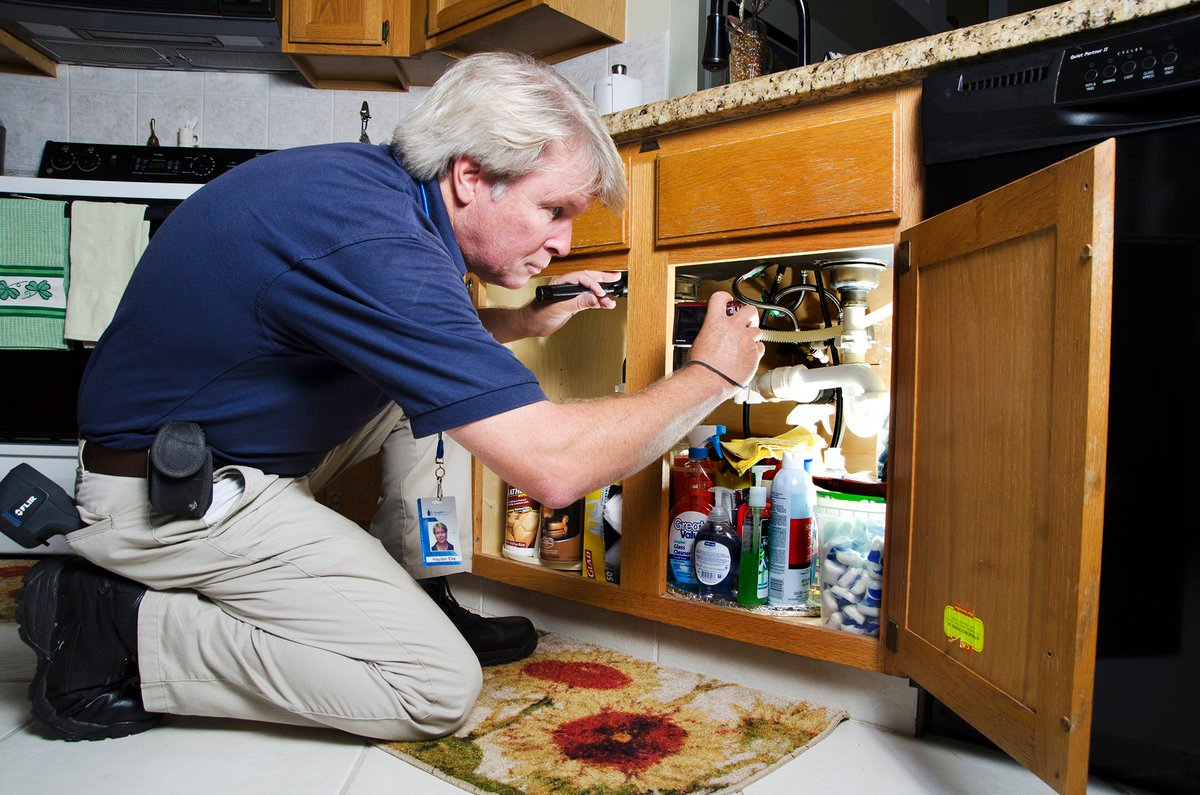
- Under every sink: leaks, moisture, mold
- Caulk and grout condition at tubs, showers, and backsplashes
- Toilet: rock it gently — movement means the wax ring/seal needs attention
- Exhaust fans: working? Venting outside?
- Appliance hoses: washing machine supply lines (replace every 5 years with braided steel)
Systems
- HVAC: service schedule here — but annually verify: filter, condensate drain, outdoor unit clearance
- Water heater: flush sediment, check the anode rod every 2–3 years, look for rust/leaks at the base, verify temperature (120°F)
- Electrical panel: any breakers that trip regularly? Rust? Buzzing? (Don’t open the panel interior — visual only)
- Smoke/CO detectors: test, replace batteries, check expiration dates (10-year life)
- Fire extinguisher: gauge in green, accessible location
Document Everything
Take photos of anything questionable — water stains, cracks, wear. Dated photos let you compare year over year: is that crack growing? Is the stain spreading? This documentation is also gold when selling (shows diligent maintenance) or filing insurance claims. Keep a simple home maintenance log — a notes app or spreadsheet with dates and photos. InterNACHI (the home inspector association) publishes detailed checklists if you want a printable version.
When to Call a Pro Instead
Your yearly walkthrough finds issues; pros diagnose the serious ones. Call specialists for: any structural concern (foundation cracks, sagging), roof problems beyond a few shingles, electrical issues (warm outlets, frequent trips), persistent water intrusion you can’t source, and HVAC problems beyond basic maintenance. The inspection’s job is early detection — a $200 service call now beats a $5,000 repair later.
And don’t forget the easily-missed items — the maintenance tasks everyone forgets pair naturally with this inspection walkthrough.
What Professional Inspectors Actually Do in 90 Minutes
Curious what the $400–$600 professional inspection covers that your walkthrough doesn’t? Understanding their process sharpens your own:
- They work systems, not rooms. Roof → exterior → structure → electrical → plumbing → HVAC → interior. Systematic, top to bottom, so nothing gets skipped. Adopt this order for your own inspection.
- The roof gets real attention. Binoculars or drone for steep roofs; walking it when safe. They’re looking for exactly what your checklist covers — but with the experience to distinguish “aging” from “failing.”
- Electrical panel deep-dive. They remove the panel cover (you shouldn’t) and look for double-tapped breakers, aluminum wiring, scorch marks, and proper labeling. Your version: note the panel brand (certain brands like Federal Pacific/Zinsco are red flags), test AFCIs/GFCIs, and check for warm breakers.
- They run everything simultaneously. Dishwasher running, showers on, HVAC cycling — stress-testing reveals what idle systems hide: water pressure drops, slow drains, circuits that trip under load.
- Moisture meters. A $30 pinless moisture meter finds dampness inside walls that eyes can’t see. Worth owning — scan around toilets, under sinks, and below windows during your inspection.
- The report is the product. Photos, descriptions, and prioritization (safety issues vs. maintenance vs. cosmetic). Write your own inspection up the same way — dated, photographed, prioritized. Future-you will thank present-you.
When to hire a pro despite DIY: before buying (non-negotiable), when selling (pre-listing inspection prevents surprises), and every 5–10 years as a deep check beyond your annual walkthrough. The pro sees what habit blinds you to — and $500 every decade is the cheapest expert second opinion in homeownership.
The Practical Takeaway
A yearly home inspection means walking your property every spring — roof to foundation outside, attic to basement inside — checking for water intrusion, structural changes, system health, and safety devices. Photograph everything questionable for year-over-year comparison, fix small issues immediately, and call pros for structural, electrical, or persistent water problems. One Saturday a year, zero dollars, and you transform homeownership from reactive crisis management into calm, planned maintenance. The house takes care of you exactly as well as you take care of it.


